Early this morning a dream of a deer, come to the door of a house I was just leaving. I thought he was an unusual sighting in a suburban neighbourhood as he turned and ran away revealing a fox tail rather than the little white cotton puff. Excited, I turned to my host, who seemed non-plussed, as though deer were frequent visitors in his neighbourhood. But when I went out again to the street, the deer was back, his expression deliberate, gesturing with his head for me to follow him around the corner, where it turned out an old friend was giving birth.
Today on Facebook, I see that a photo I took up north weeks ago is featured on the Ontario Travel page.
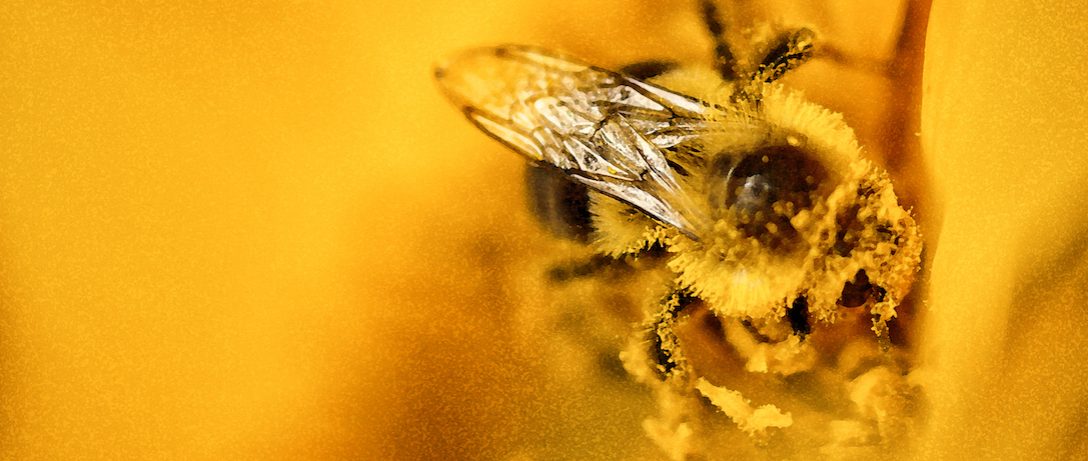
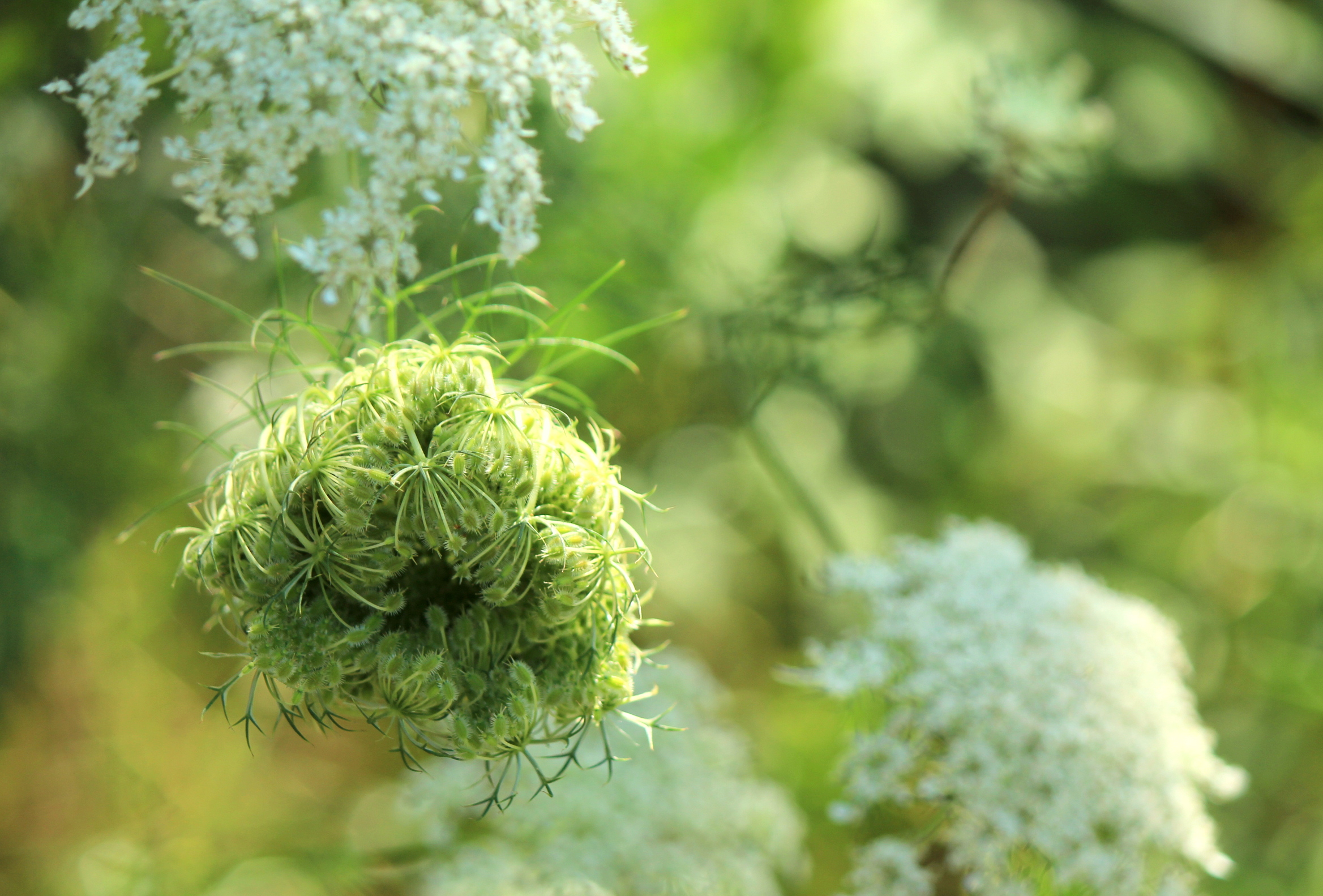
I took a lot of photos while I was up north.
I loved the experience of it. Of getting up early, heading out into the morning light and feeling a kind of no-mind creative process – different from writing. Different because it seemed like the best way to connect with my surroundings was to be empty, to just be present in my body in the space…..waiting, feeling, breathing, sensing.
Riding and walking the trails around Collingwood, I found it easy to get very quiet inside myself. I’d heard in the past about “walking with your power animal”. It sounded faintly pretentious and I wasn’t sure really what was meant by it.
But I started to feel it. I started to feel like that’s what I was doing. Walking as if. Walking inside the animal. Walking AS an animal – listening, smelling, feeling the light shifts in the air.
Rustles and snaps of twigs in the brush, in the forest made me stop and listen, waiting to see who was there. All senses poised as carnivorous predator, hunting for the next shot.
Strangely enough, sometimes it seemed as though the hunted waited, wanting to have their picture taken.
One of the teachers I follow – travelling when possible to her workshops in the States cause yes, she is that unique and interesting – is Ohki Simine Forest.
An important element of the work she does with people is helping each person discover and build a relationship with their personal power animal. It’s a modernized, workshop-able version of what was pretty traditional Native custom. Ohki herself is Mohawk of the Wolf Clan (clan animals being entirely separate from power animals) and she currently lives in Chiapas amongst the Maya, so she is influenced by both Haudenosaunee (Iroquois) and Mayan cultures, with a dash of Mongolian shamanic education thrown in.
The idea of a power animal or animal totem is that an animal guides and influences your spirit throughout this life. It’s not really as exotic as it sounds – chances are you already have an inkling of your animal, dream of them often or feel some affinity for a particular species. But this relationship can be developed, enriched. As Ted Andrews, author of Animal Speak writes –
By discovering your animal totem, studying it and then learning to merge with it, you will be able to call its energy forth whenever needed.
Ohki expands on this, suggesting more of a two-way street kind of arrangement –
In all cases, this exchange of energy between soul and power animal must be understood as a trade… In the exchange for mutual evolution, it obtains some of your mind’s energy, which you probably have in excess, while it gives you back the instinctual and intuitive power, powers often relinquished by humans.
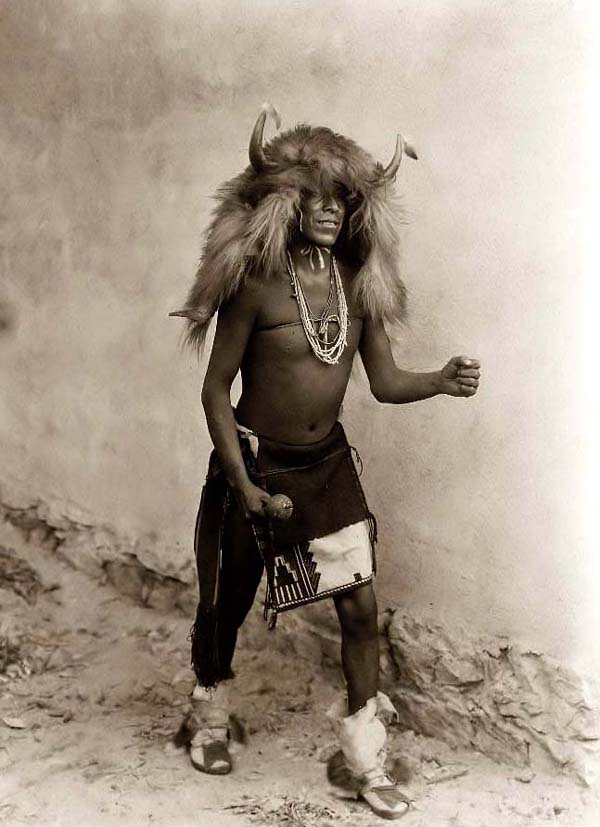
According to Ohki, the power animal resides behind our backs and above our heads, attached to what she calls the “dream body”. So when you see someone wearing an animal skin or dancing with a skin draped over them, it approximates the location of their power animal living just ever so slightly behind, ever so slightly above the physical body. And dancing, descending into trance with the rhythm of the drum, the heartbeat of the earth, is a way to connect deeply with your animal. Santeria, the religion of Afro-Cuban culture, has a somewhat similar current in its use of drums to connect with spirit, and in that when someone is born, they are not seen simply as individuals, but are considered a child of one of the various Orishas or Saints, incarnations of characters from Yoruba tradition. Some are found as children to be so highly charged with an Orisha, they are encouraged to follow the path, learn the Yoruba language, and as they get older will go into trance and channel their Santo at religious events. The use of drums, complex rhythms and song to enter into a state of deep connection with the spirits, is a huge part of what has created the spectacular range of Cuban music.
In the fall, my husband and I went to Cuba for his first visit back since he moved to Canada. His mother told us to come over on Thursday night as there would be a party at the house, a Fiesta de Santo – a Saint’s Party, a Santeria event – in honour of Eleggua, the Trickster, dweller of crossroads, opener of gates and pathways. When we arrived at the house – an apartment, really – people were crowded on the front balcony, spilling out from the tiny living room, the closet of a kitchen, and we could see through the half-open door to the bedroom the Eleggua, not yet dressed, but already deep into his trance, holding court, waving a half-empty bottle of rum as he channeled the ancient spirit. His voice rose with animation and agitation, speaking half in Spanish, half in Yoruba, calling various people into the room and looking deep into their souls and lives and telling them about themselves, what they must do to ease their burdens in life, to clear their paths.
Eleggua’s character is infantile and tempestuous – he sulks and plays tricks and demands candies and rum and songs, exhausting his hosts. At one point, swaggering around the drummers and dancers squeezed into the living room, he took a swig on his bottle of rum and sprayed a mouthful all over my husband. No one reacted. My husband simply stood up, walked to the kitchen and wiped himself off. Apparently the thing is, one must endure his behaviour. And he will test and test and test the limits of that endurance.
I asked my husband who the man was in his everyday life and he said he would just be an ordinary man with an ordinary job who a babalao would have singled out at a young age as embodying the Eleggua. And so he would be called on to do these ceremonies, exhausting as they might be, as little as he might even remember of them.
At a certain point a chicken appeared from the shadows of the back porch, and Eleggua began to dance with the chicken poised on his shoulders. Holding one arm out he balanced the chicken on his shoulder and began to dance the most natural symbiotic fusion of man and chicken, then without missing a beat dropped the chicken into his hands, clutching it in tight, lovingly, to his chest as he danced, and then up went the chicken onto the other extended arm, until he passed the chicken off to someone and began to dance AS a chicken, squatting down amongst the drums and drummers, his head jutting out in sharp pecks, arms as wings flapping, strutting around the room.
Of course the real live chicken didn’t make it to morning, and at some point there was a rather gory spectacle of the chicken’s demise. I was out on the front balcony talking to my sister-in-law when the chicken’s head came flying out, landing small and sad in the dust of the road, and I peeked into the living room just long enough to see the body of the chicken tipped up as Eleggua drank back the flow of blood.
But that image aside, what was most striking in his performance that night was the man’s ability to channel both the physicality of the chicken and the spirit of the Orisha Eleggua, the faculty, the facility for entering fully into a trance state and allowing the self to be coursed through with animal and ancient archetypal energies truly affecting and memorable.