Wabi Sabi

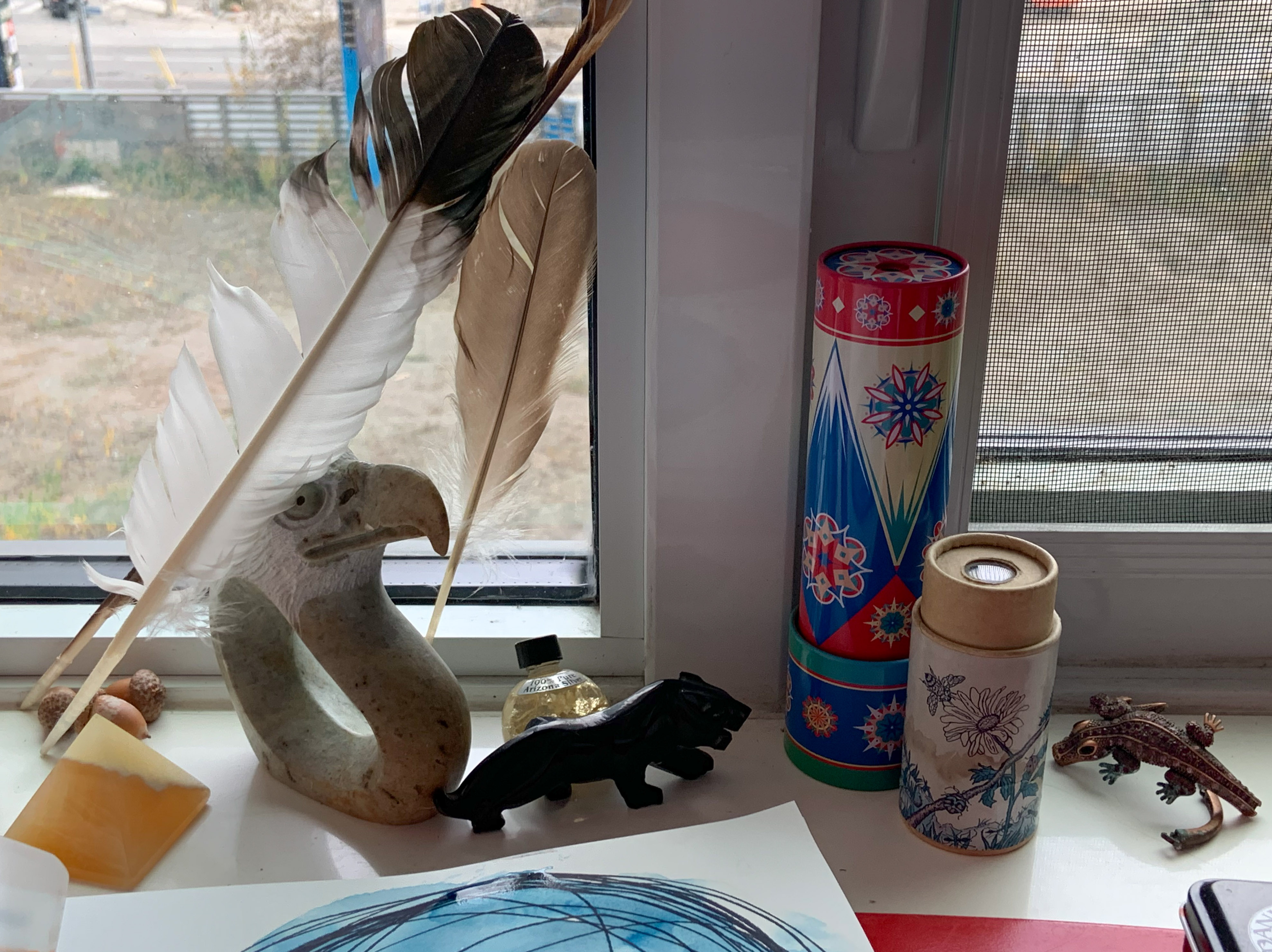
Last week I noticed a spider had started setting up a web in the feathers that are hanging around on my windowsill. The feathers are there, I suspect, to remind me of Air and Wind, the elemental project for the year, but I wasn’t loving the spider web in the feathers so much, and after hesitating for a moment, as I do rather love spiders – catchers of other bugs and genius engineers – I decided to remove just the web and let the spider figure things out.

Meanwhile, in our ongoing mystery class, Teach told us to find a stone to hold for several exercises. I reached for the closest one in view, which happened to be a piece of obsidian, a remnant from when I was doing a lot of Sergio Magaña workshops and exercises, a very ancient Mexico scene, and I thought for a minute, Wait, why did I stop those…? And then remembered, Oh yeah, I started the British-based multi-year, elements around the wheel thing, and I didn’t want to split focus between traditions.

But obsidian is pretty strange stuff – beginning as molten rock erupting as lava, it cools so quickly it has “no crystal structure” and becomes a volcanic glass that polishes up nicely to a mirror…
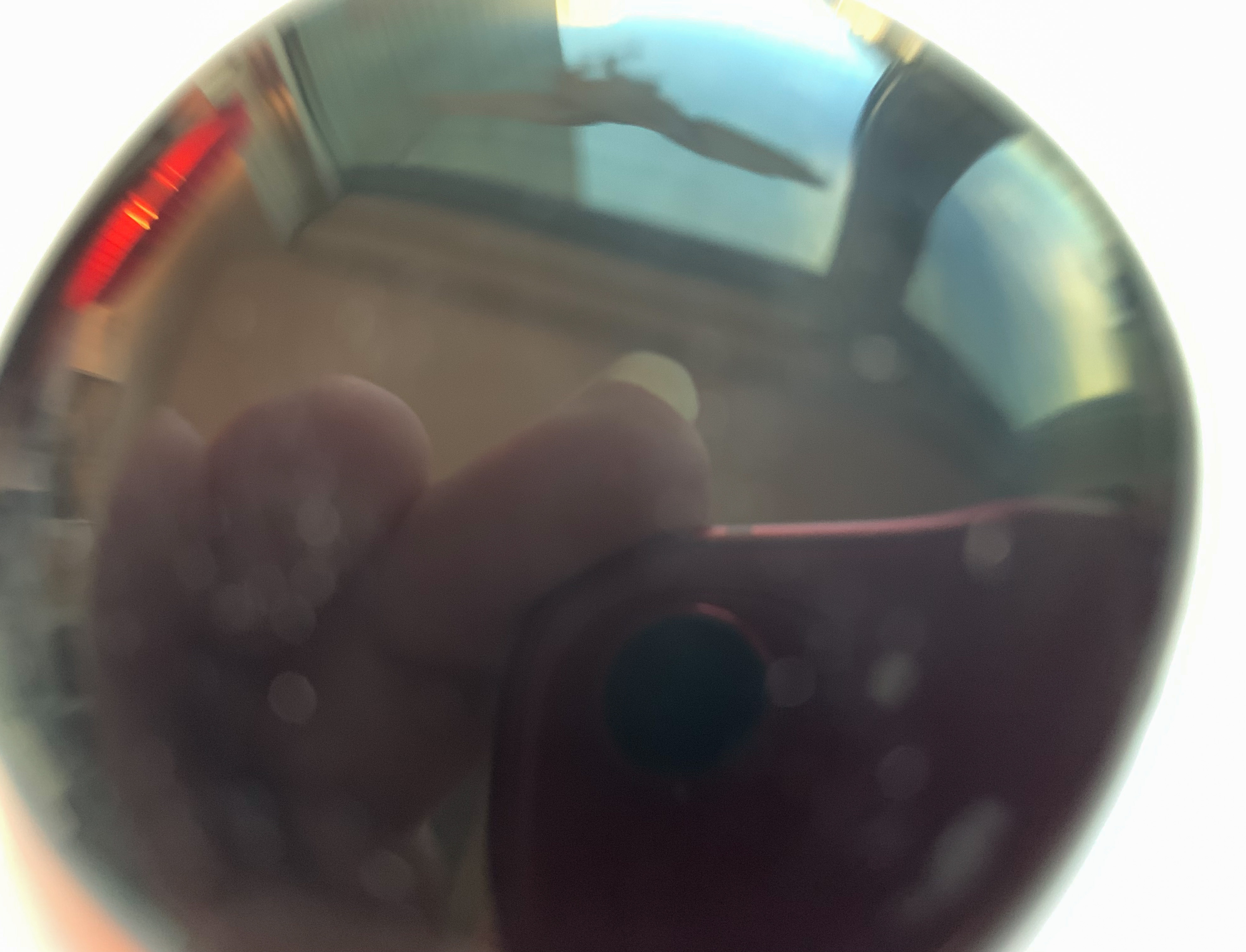
Which I think was part of the appeal for the ancient MesoAmerican types, that shadowy reflection… But I wasn’t sure it felt a satisfying as a stone, like as a hunk of rock.

So I tried picking up the carving of the eagle that sits there on the windowsill, and he is made from limestone. Now this particular piece of limestone felt like a completely different sensory world, so much softer, more porous…
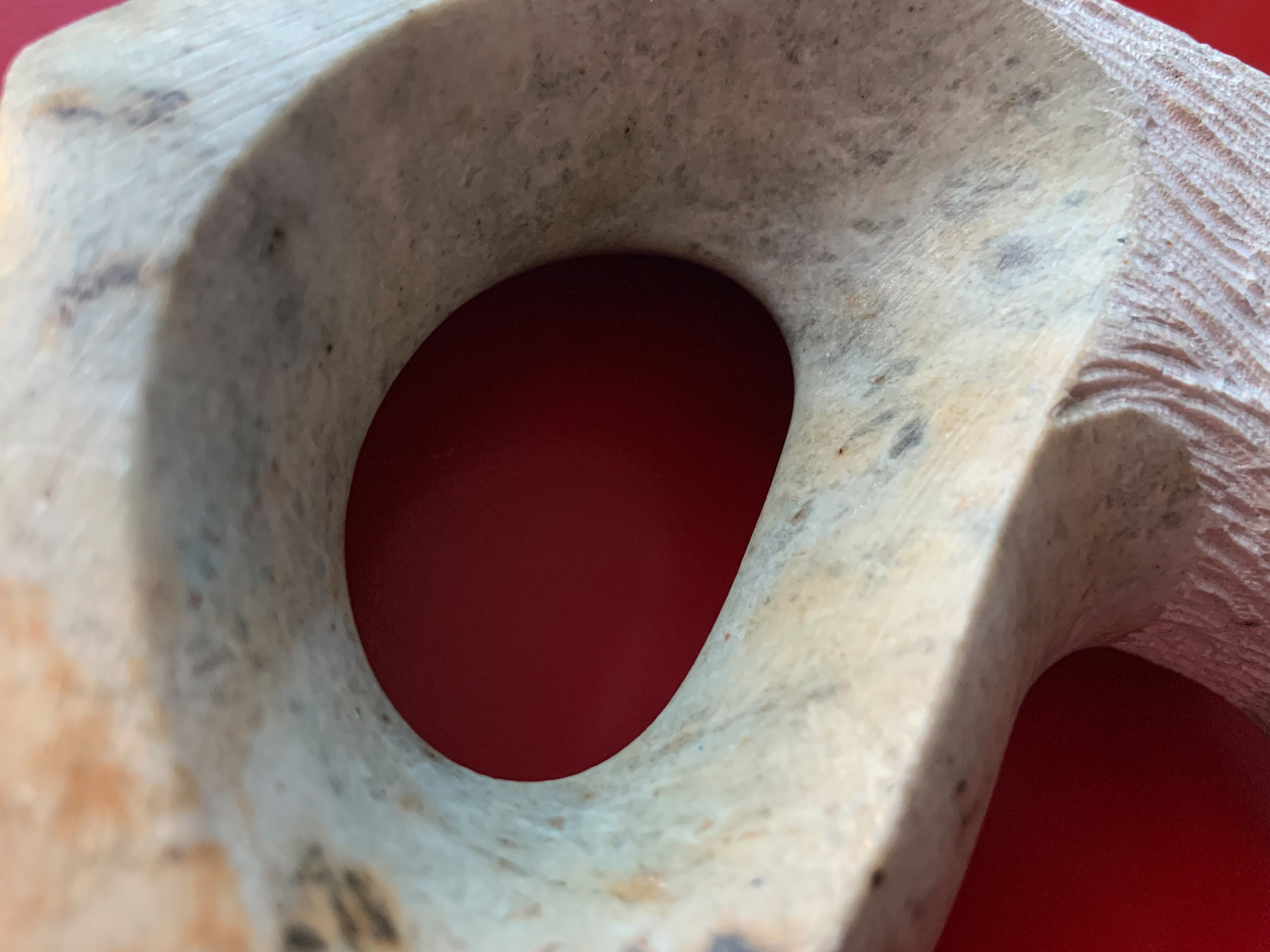
Limestone it seems is fundamentally born of water rather than fire. Apparently it formed primarily in shallow, warm waters, and often has bits of shell and coral fragments and marine organisms that slowly became sediments, which then slowly became rock.

Totally different vibes in the hand.
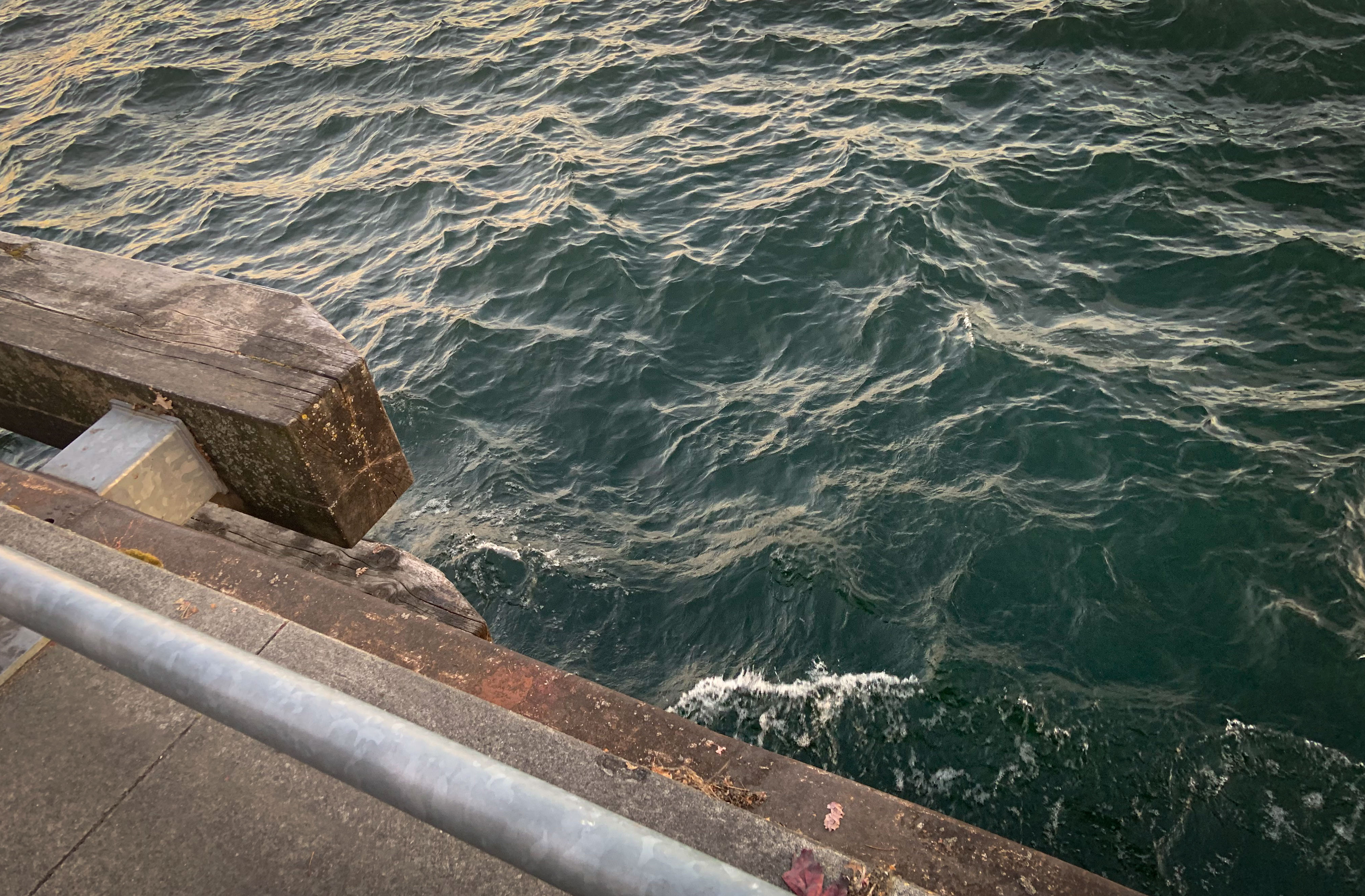
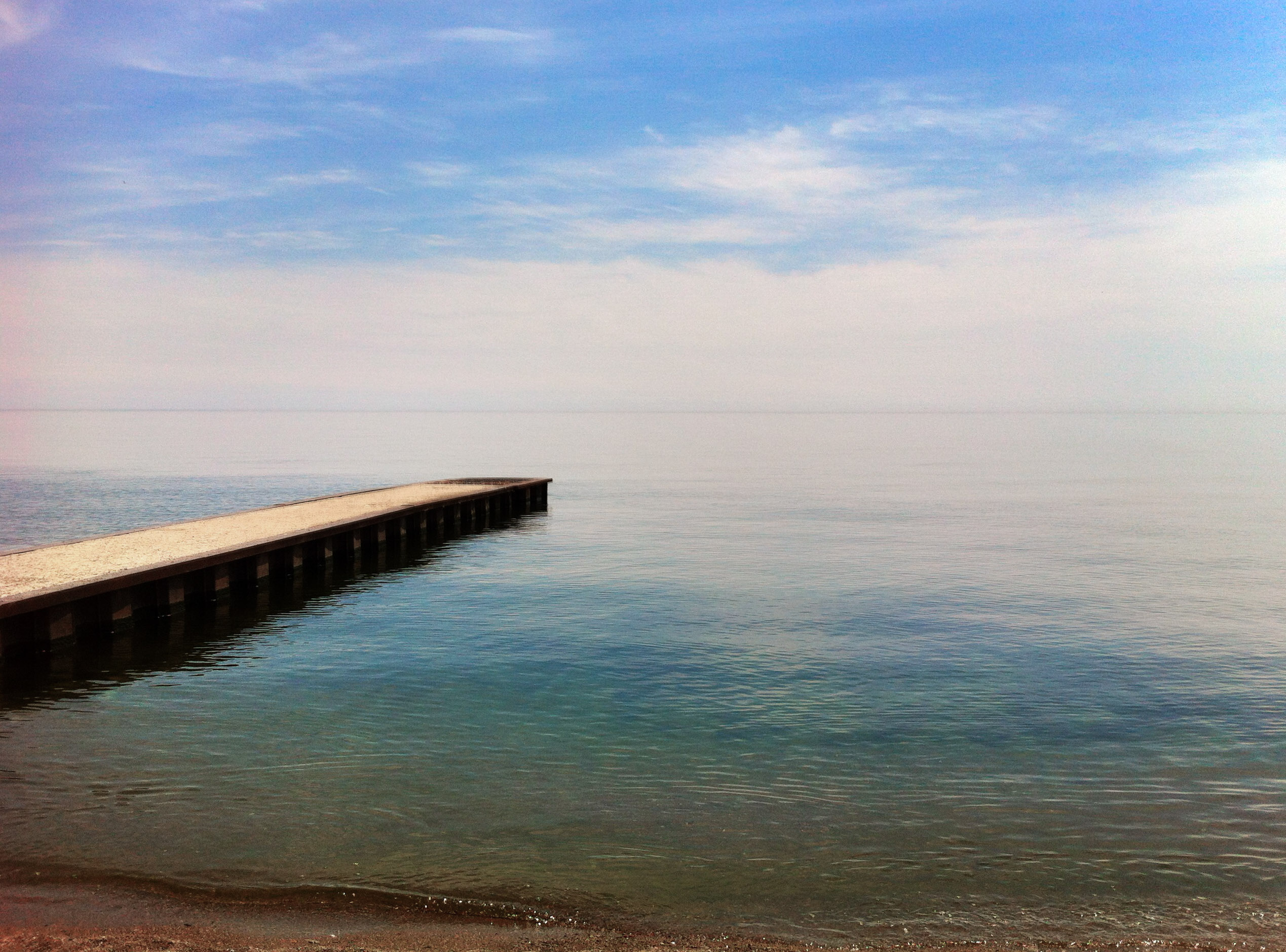
I was thinking about that elemental piece as I was out for my walk, and the day was windy, the kind you have to really lean into, and the wind pushed the water around, changing the colour, creating little waves agains the pier.

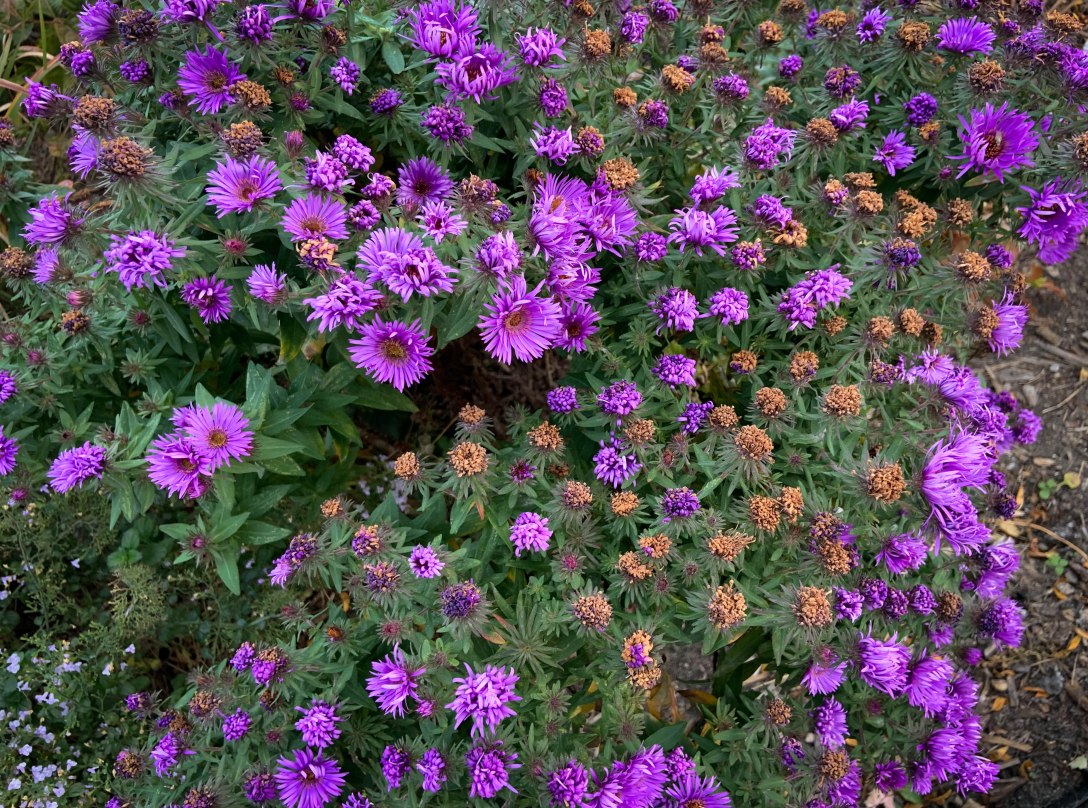
And I felt the pleasure of the wind, how it toys with the water, and it was powerful enough that I took refuge around the corner in the new garden they’ve put in, and of course it’s November so the big blooms are gone, but there are some hardy types who look like they might take their time withering into the winter.
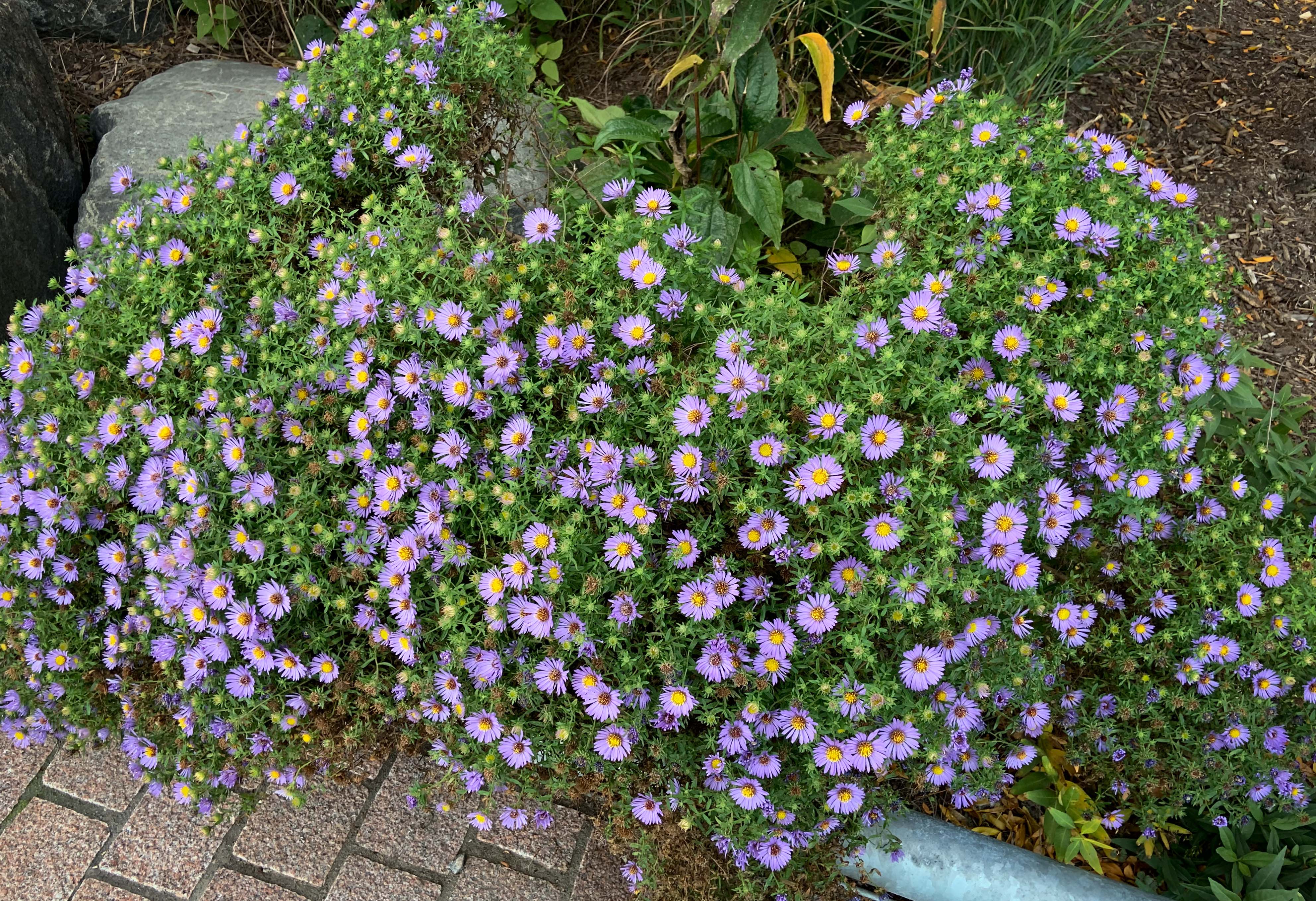
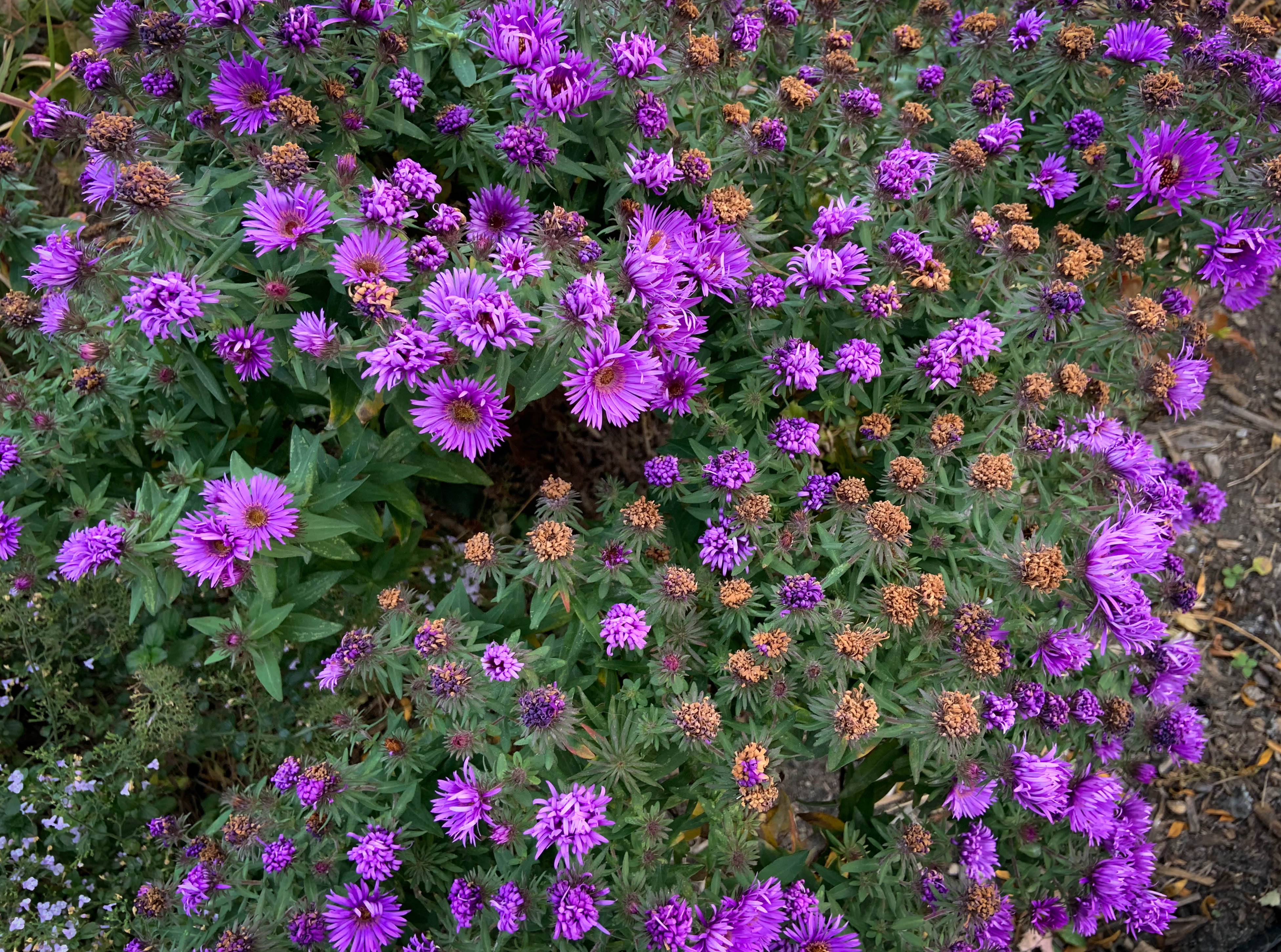
My new favourite spot, that end of the pier.

Back in my studio I notice the spider seems to be setting up a little further down the windowsill. It doesn’t look full on web yet, but it does look like little tendril fragments that could be the beginning of a web. It is sort of the “death corner” of the sill, with the coyote skull and old leaves and a tiny bit of a what once was a wasp nest, so it seems like the right spot for him to do his thing.
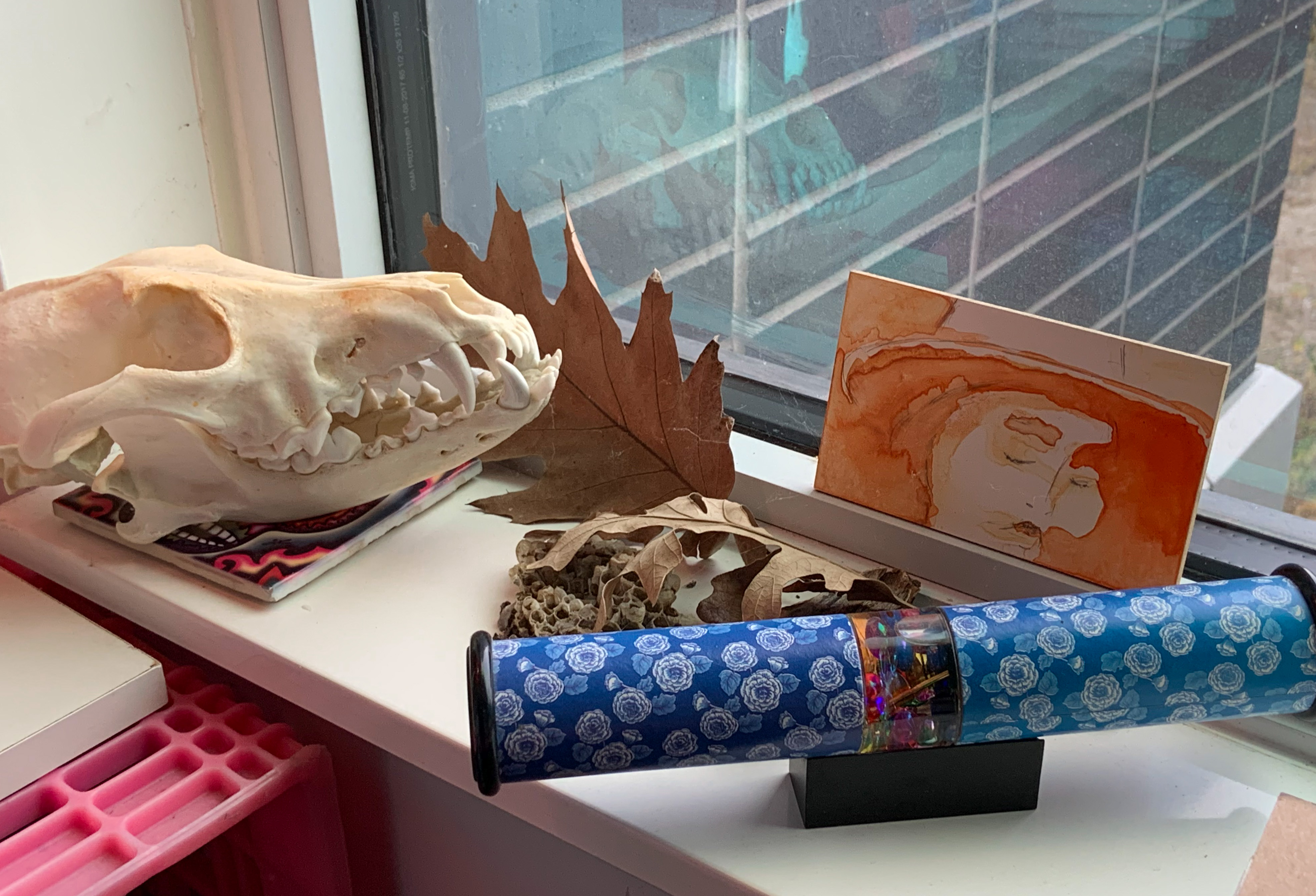
Wabi-sabi is a beauty of things imperfect, impermanent, and incomplete.

It is a beauty of things modest and humble.

It is a beauty of things unconventional.

~ Leonard Koren

Lens-Artists Challenge – Wabi Sabi
Remembering Ronda

When I was a kid we lived in Ronda, a small town in Southern Spain, for a year.

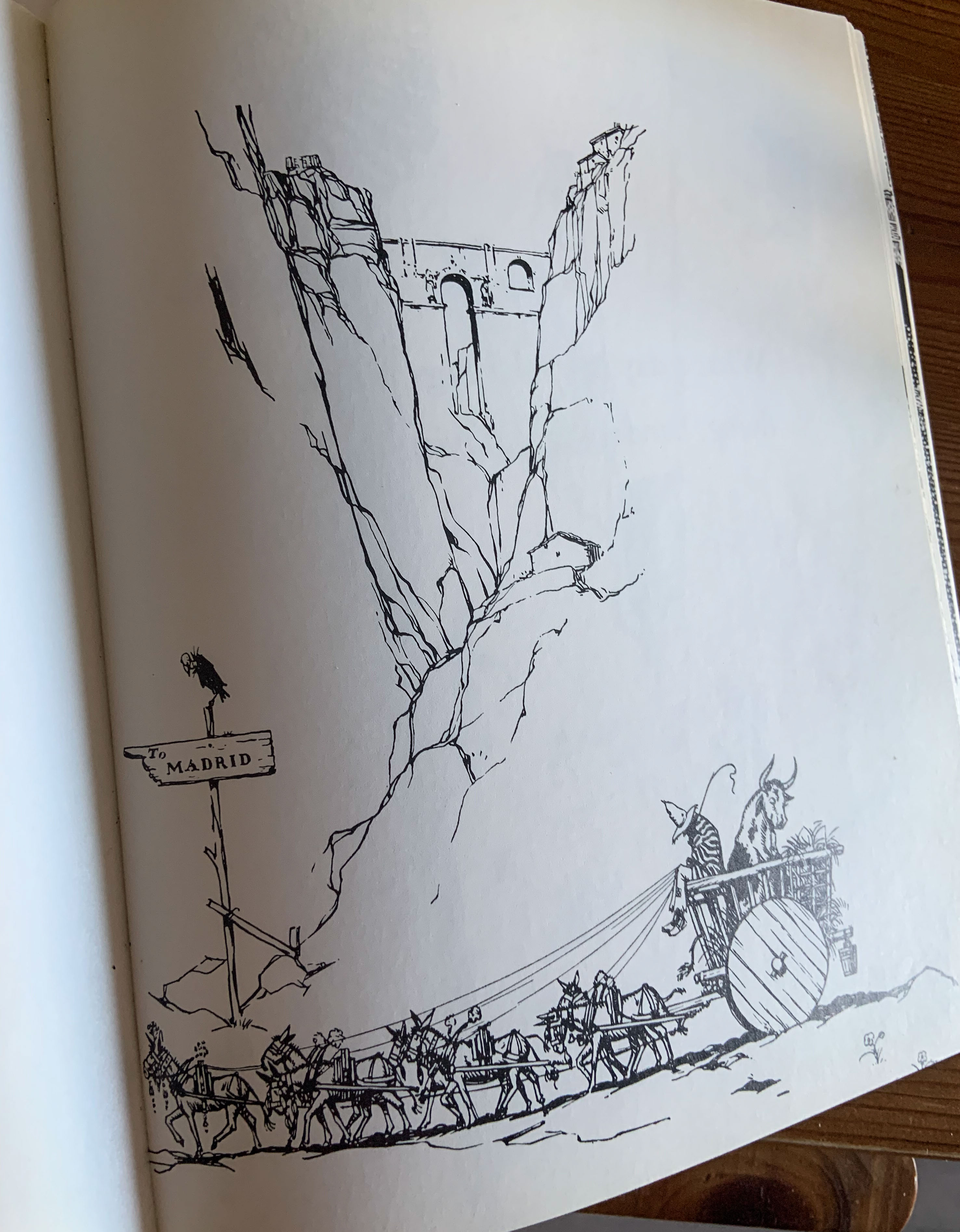
As small towns go, it’s pretty famous, perhaps not least for English speakers by being immortalized in The Story of Ferdinand, by Munro Leaf, and illustrated by Robert Lawson –

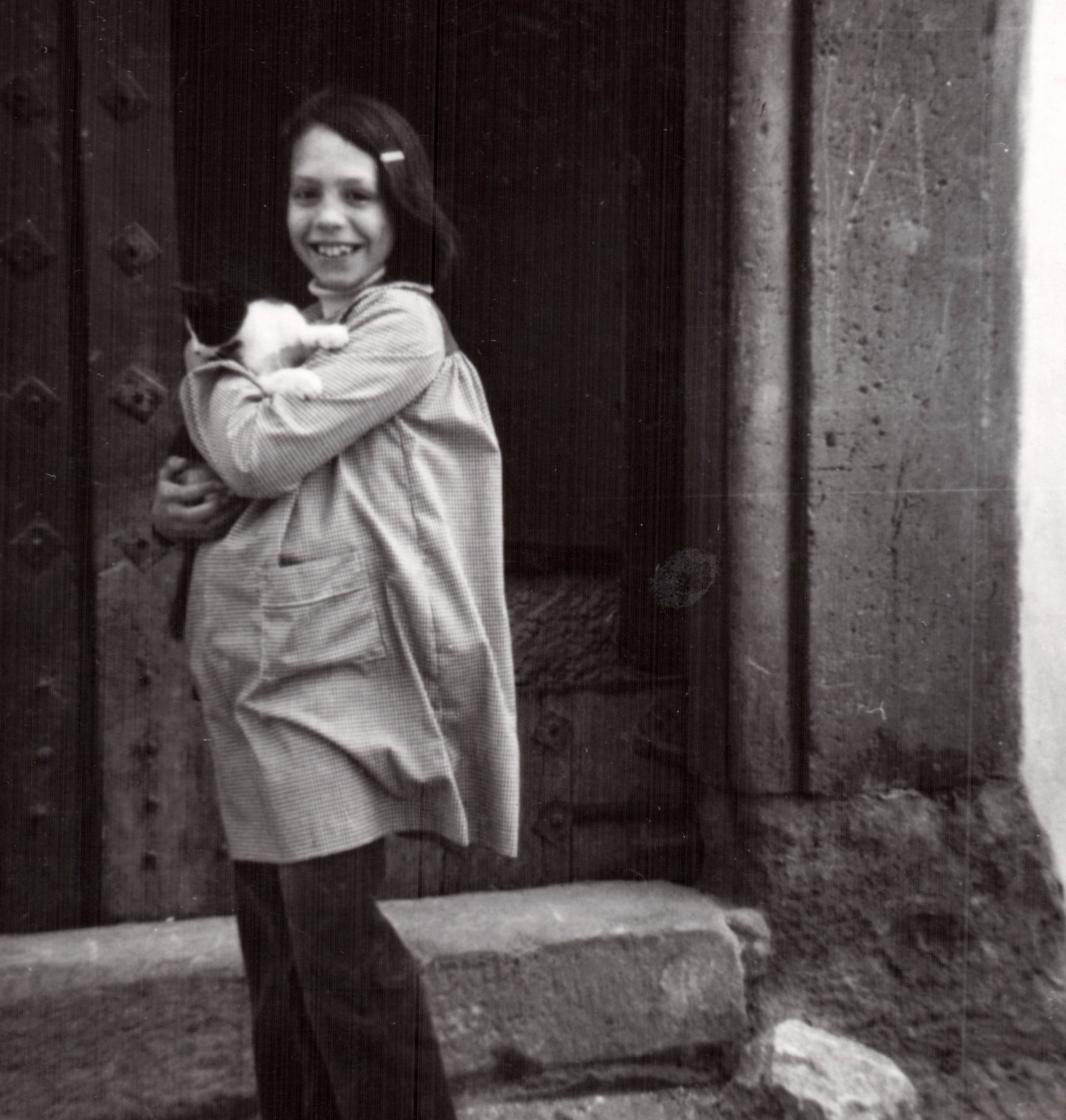
I’ve been tinkering around with this year we lived in Ronda, wondering if I might write something about this period, as it has a kind of “time out of time” feeling in my memory – a year when I was still sort of half American, half Canadian, but might conceivably become a whole new thing, a Spanish girl who went to the nuns school around the corner and wore their goofy gingham uniform and had a little kitten called Eduardo.

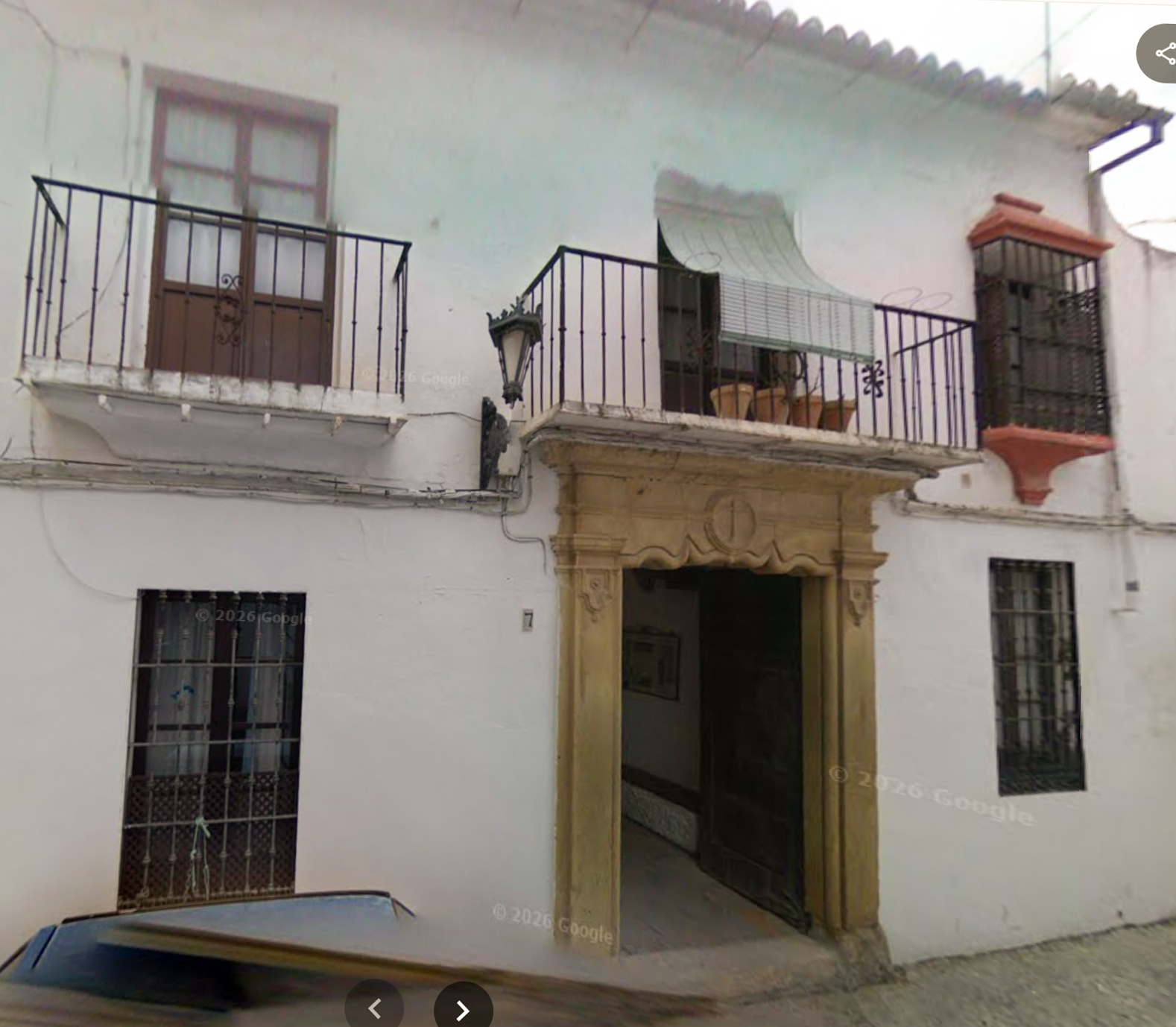
As projects go, it’s also kind of easy to research, and even on Google Maps it has barely changed –

Here’s the entrance to our apartment up on the second floor, looking pretty much exactly the same, although it looks like they keep the heavy wooden doors open rather than closed, and somebody got rid of the boulder in the lower right from my picture – sensible. I have a faint recollection that the boulder served a function back in the day, but I wouldn’t swear to it.

My bedroom when I was 10 was up there on the right with the red trim, above the main doorway the master bedroom had that little balcony, and then the left side was part of the living room dining room area. I wonder if the inside has changed at all.

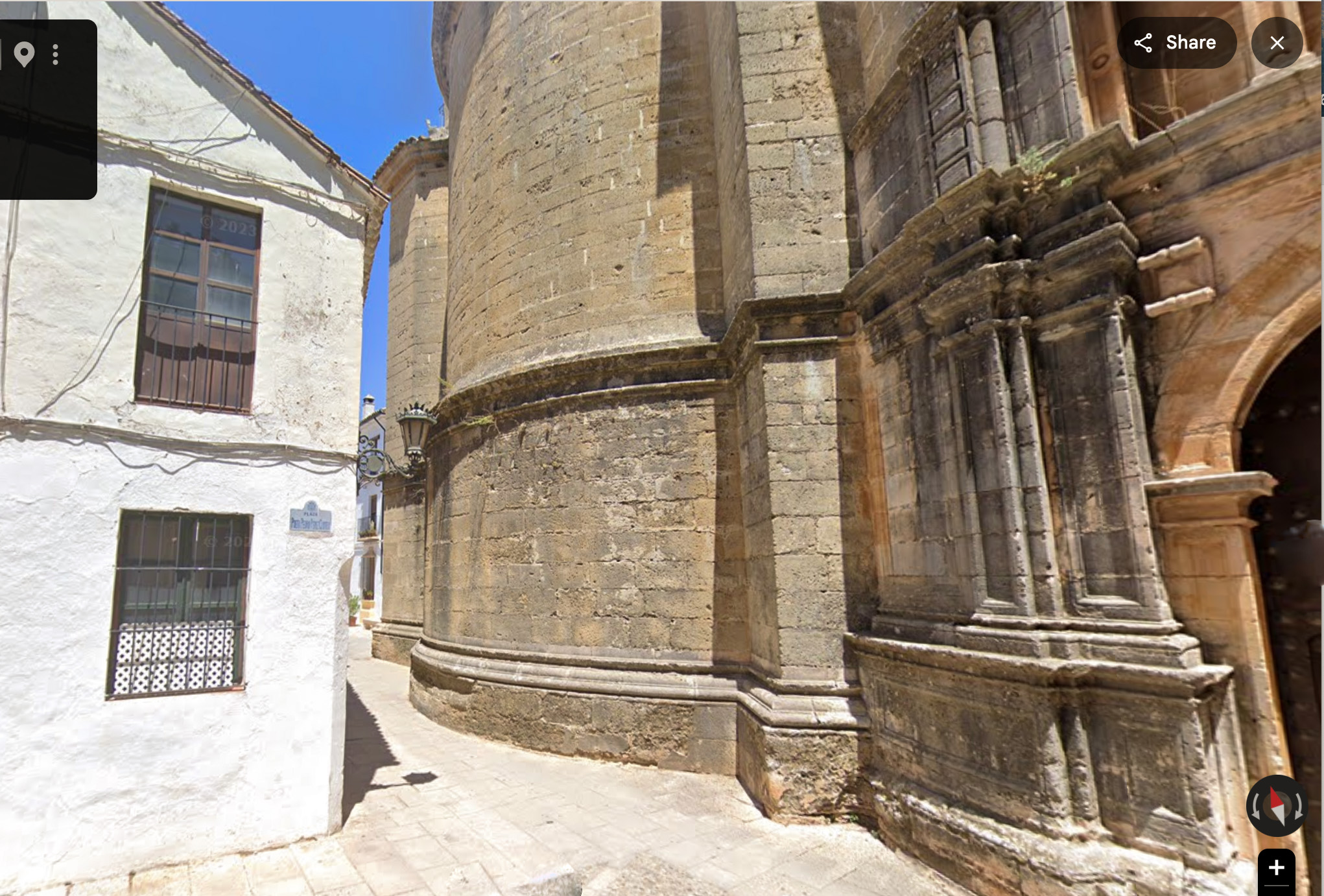
Anyway, maybe a block or two away were our neighbours Hilly and Alastair who were a ton of fun, and we spent plenty of time over there – they were Brits, amongst the many ex-pats hanging out in Spain at the time, and I suppose they were the perfect drinking buddies for Dad, and it was a great place for me too, as there were kids around and Hilly was a blast, always cooking up a storm or taking me horseback riding, and they had lodgers like Dan who had a room with a ping pong table in it that was so tight it was kind of up against the walls, and you had to suck in your stomach to be able to play, but it was nonetheless about the coolest place in town.

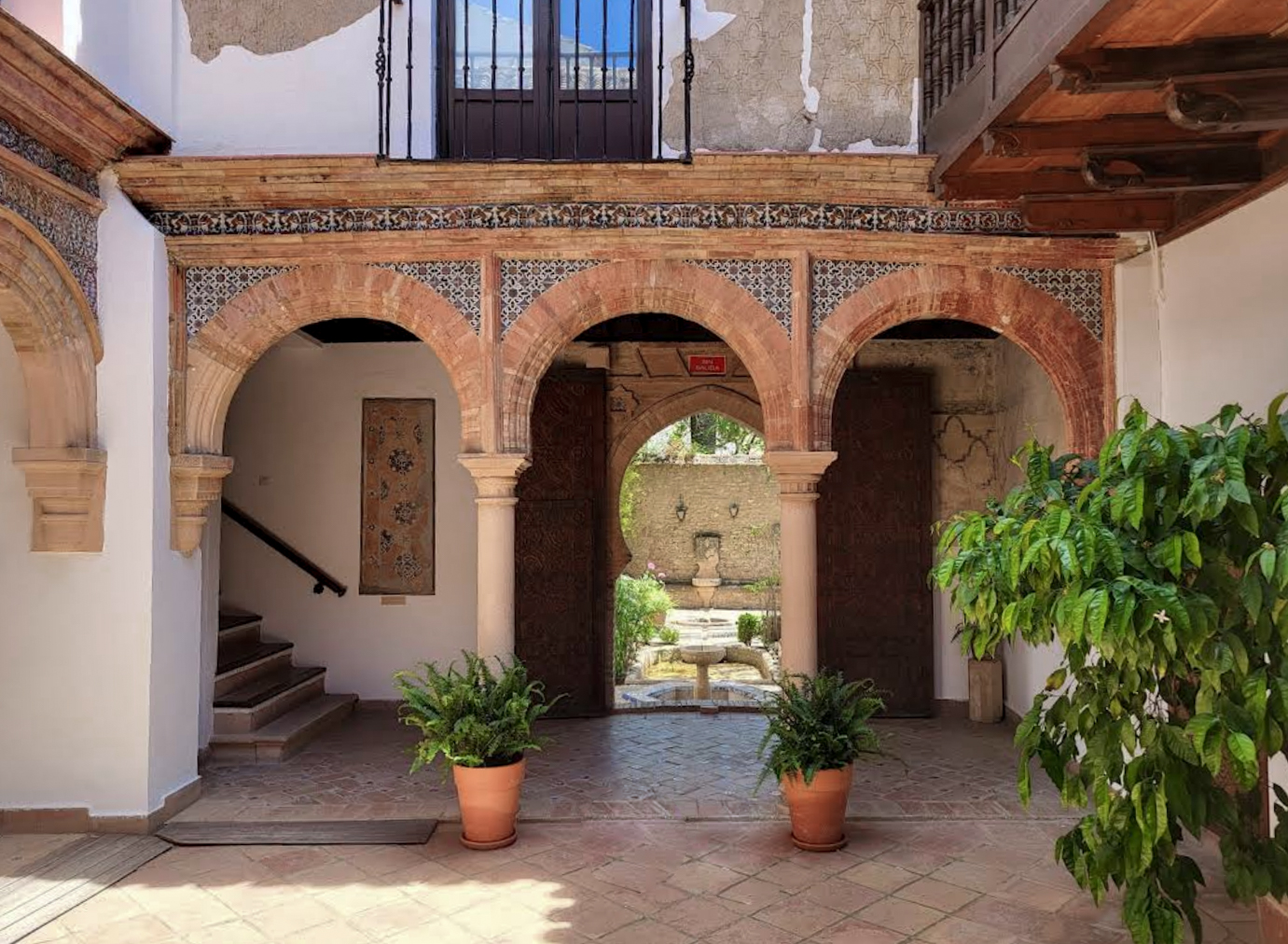
Now I do remember that it was the “palacio” – that series of squirrely rooms where Hilly and Alastair and Dan and the ping pong table lived, and it seems perhaps Hilly and Alastair may have run something called Casa Mondragón – a kind of hodge podge ex-pat rooming house maybe owned by Alastair that had yet to be reclaimed by the town and turned into what it is now, which is the formal tourist attraction of the Palacio Mondragón –

But in all of this are these various side trails of research and maybe fragments of memory that can be followed further, as Hilly was in fact, the mother of Martin Amis (and ex-wife of Kingsley Amis, and mother of several others as well, but I do remember a conversation between Dad and Hilly about the suddenly famous son, and if I look into the timing of that, Martin had probably published the Rachel Papers just the year before we arrived). But Martin is helpful for me because later he wrote Experience, and in it he talks about Hilly, and he says: “…There were many reasons why my mother loved living in Spain, not least of them being that you could, in most pharmacies, buy speed over the counter”. Which certainly does help flesh out my sense of Hilly as an indefatigable ball of totally fun energy, leading me on horseback up and down the hills around town.

But in thinking back on the more visceral kinds of memories one carries, I do remember some interesting things about diet and teeth. Like I remember many of my school friends would have pan con chocolate at lunch – essentially a chocolate bar wedged into a small short loaf. Coming from Toronto, I didn’t even know that level of hedonism was “allowed”.

Amis is not particularly kind on this front, but I see where he’s going –

It struck you, or it struck me, that Ronda was a place that had yet to experience dental self consciousness. Many a perfectly moulded visage would unreservedly open out to you – revealing a bag of mixed nuts or, more typically in Andalucia, a bag of mixed nuts and raisins.

At some point, I’d been invited to sleep over at Maria del Carmen’s house, and she lived in the last house on the road that led out of town.

And I think it might have been the morning after when I stood in the large, airy, essentially rural courtyard of her home, by the lavadero in the middle of everything – as I guess they didn’t have little private bathrooms – so I stood there putting toothpaste onto my toothbrush, and it was as if the entire family stopped to look at this eccentric behaviour of toothbrush and toothpaste to marvel and say, “what the heck is that?”

Lens-Artists Challenge – Memories

Where does it lead

For the fall, I signed up for a course.

Habit maybe – the desire for the fall to have new learning, the shape of a new path or a new project.

Teacher has asked us not to post about it during the span of the few months of the class – to allow the process to unfold quietly and privately, a seed germinating in the dark.

So here I am teasing you with something I won’t speak of directly just yet.

But as we muck around in the dark of the process, the questions emerge, and we wonder daily… where might they be taking us…?

One thing we were asked to do was choose a piece of music and listen to it every day.

I haven’t quite gotten there yet.

I mean, I listen every day, but I haven’t been able to choose one single track.

I have a short playlist.

I try to take tunes away from it, but…

Mostly I end up adding to it.

This Sigur Ros track in particular has been enchanting me…

Maybe partly because I finally looked up the lyrics, and it wasn’t what I had thought – for years I had imagined, as an English speaker, the words “it’s you” in the refrain.

But it’s not.

The refrain is “Tjú”, which apparently, “has no literal translation as it is not a standard Icelandic word. It functions as a melodic element in the band’s invented syllable-based language, Hopelandic (Vonlenska), and serves as a comforting, rhythmic sound similar to “shh” used to soothe babies to sleep.”

Tjú… Tjú… Tjú… Tjú.…

Lens-Artists Challenge – Where Does It Lead?