When I was a kid we lived in Ronda, a small town in Southern Spain, for a year.
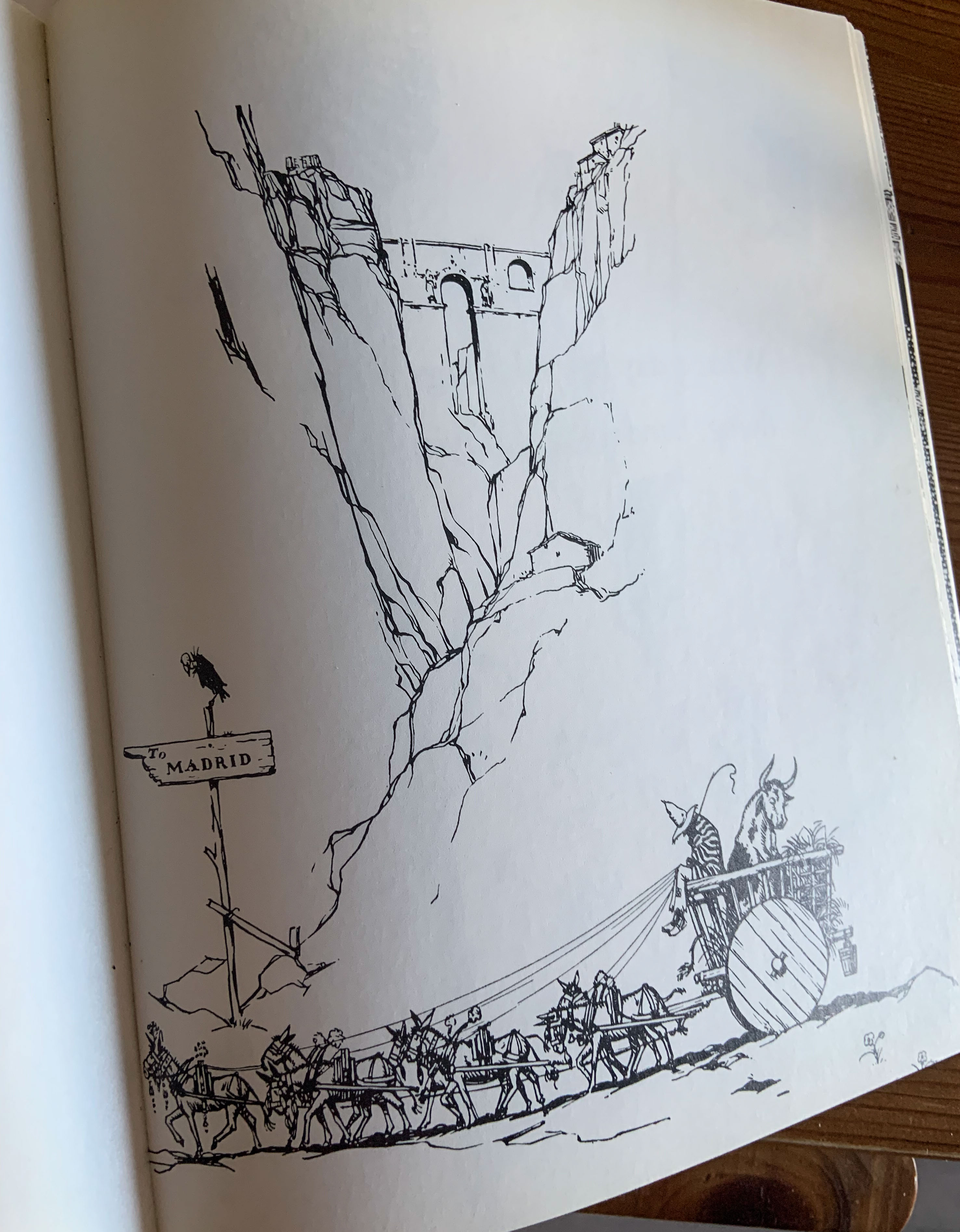
As small towns go, it’s pretty famous, perhaps not least for English speakers by being immortalized in The Story of Ferdinand, by Munro Leaf, and illustrated by Robert Lawson –
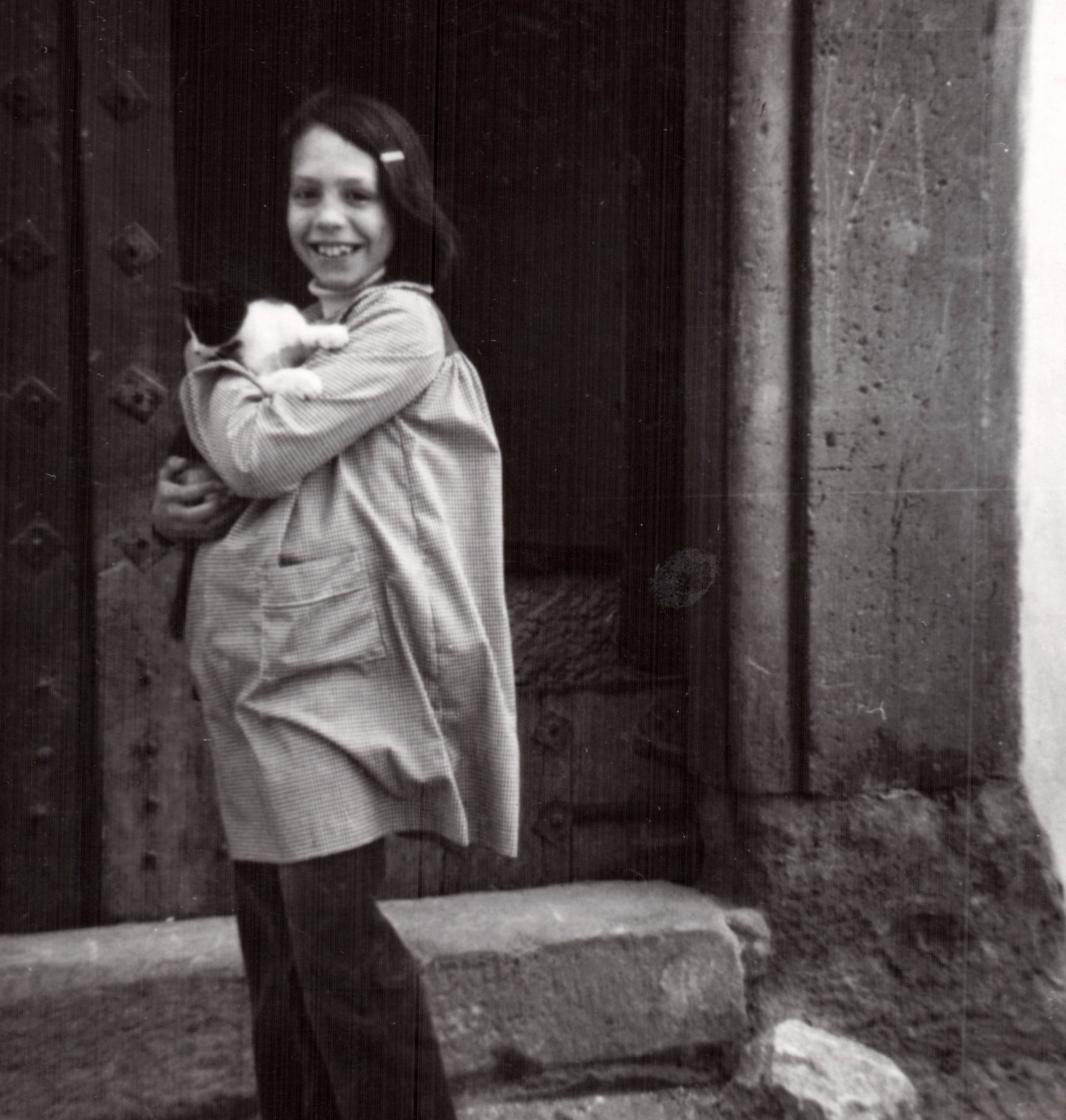
I’ve been tinkering around with this year we lived in Ronda, wondering if I might write something about this period, as it has a kind of “time out of time” feeling in my memory – a year when I was still sort of half American, half Canadian, but might conceivably become a whole new thing, a Spanish girl who went to the nuns school around the corner and wore their goofy gingham uniform and had a little kitten called Eduardo.
As projects go, it’s also kind of easy to research, and even on Google Maps it has barely changed –
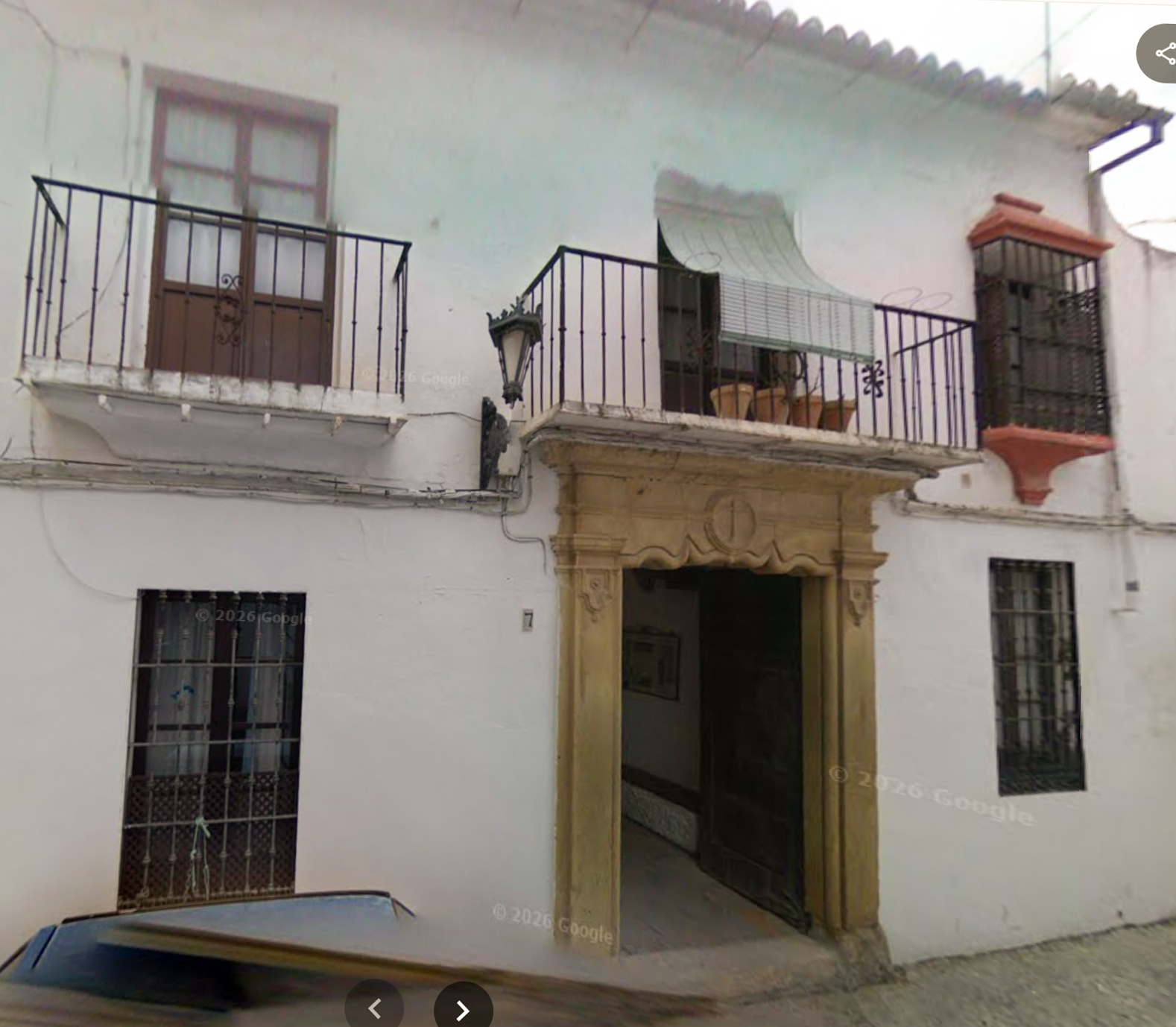
Here’s the entrance to our apartment up on the second floor, looking pretty much exactly the same, although it looks like they keep the heavy wooden doors open rather than closed, and somebody got rid of the boulder in the lower right from my picture – sensible. I have a faint recollection that the boulder served a function back in the day, but I wouldn’t swear to it.
My bedroom when I was 10 was up there on the right with the red trim, above the main doorway the master bedroom had that little balcony, and then the left side was part of the living room dining room area. I wonder if the inside has changed at all.
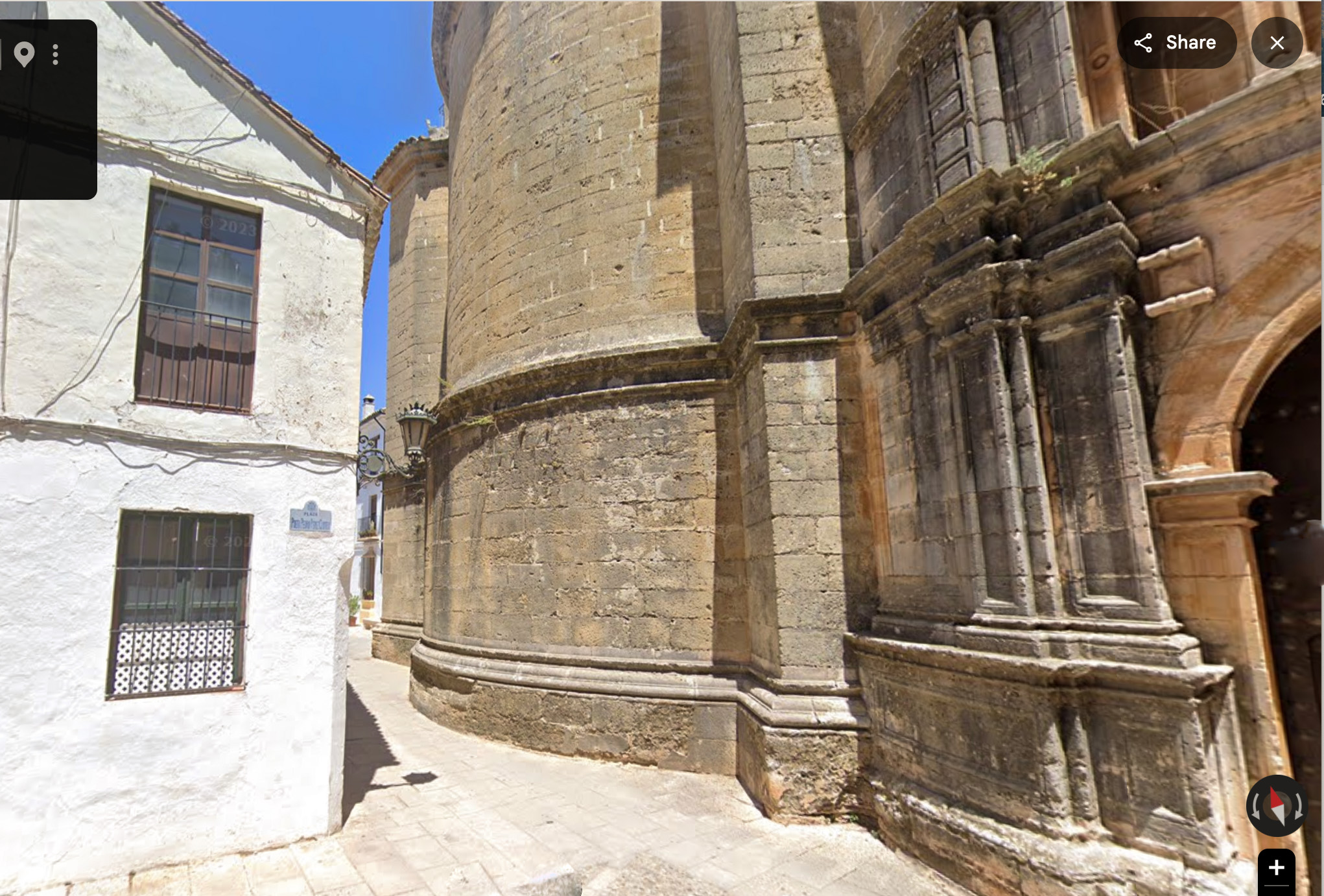
Anyway, maybe a block or two away were our neighbours Hilly and Alastair who were a ton of fun, and we spent plenty of time over there – they were Brits, amongst the many ex-pats hanging out in Spain at the time, and I suppose they were the perfect drinking buddies for Dad, and it was a great place for me too, as there were kids around and Hilly was a blast, always cooking up a storm or taking me horseback riding, and they had lodgers like Dan who had a room with a ping pong table in it that was so tight it was kind of up against the walls, and you had to suck in your stomach to be able to play, but it was nonetheless about the coolest place in town.
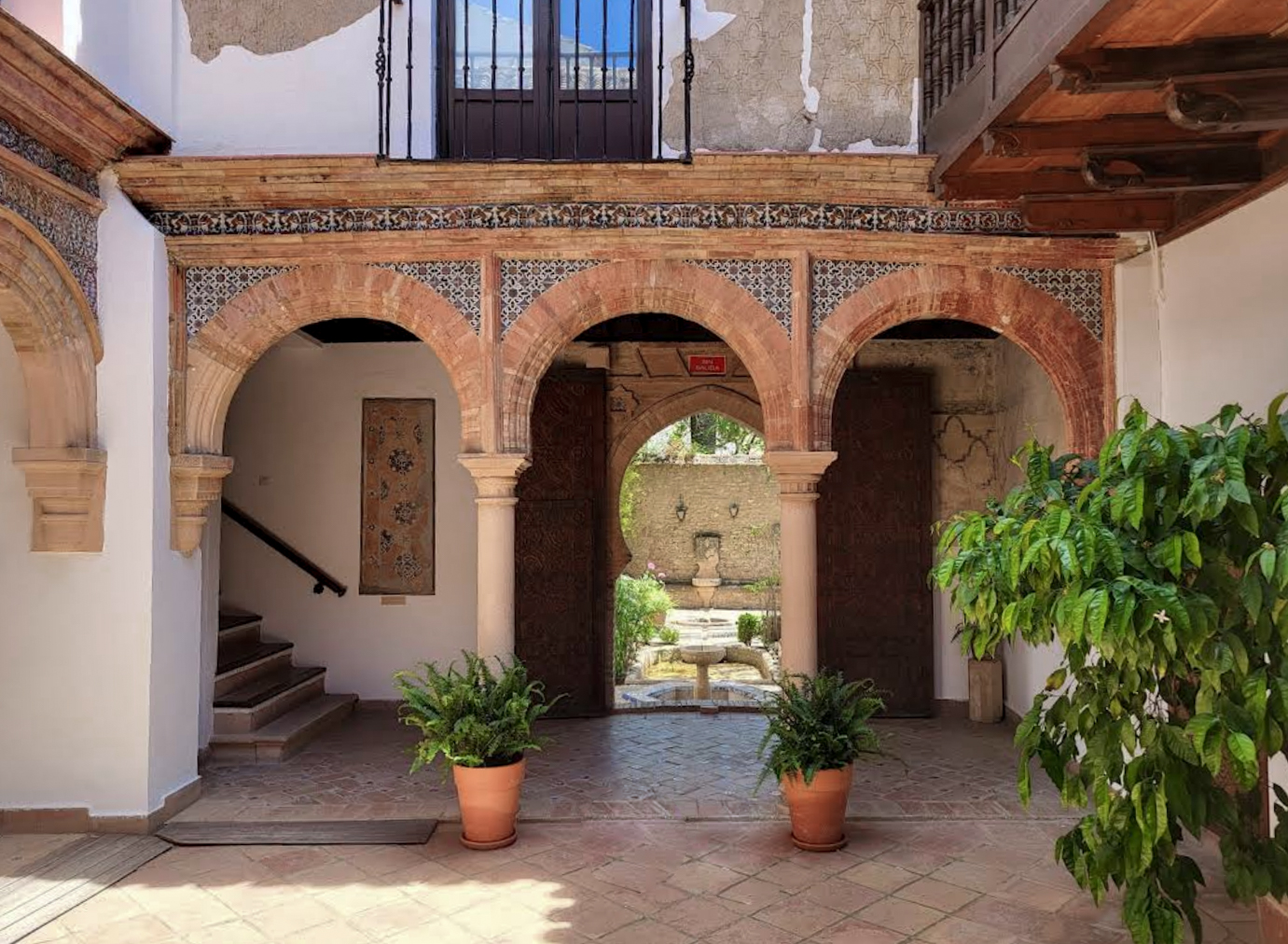
Now I do remember that it was the “palacio” – that series of squirrely rooms where Hilly and Alastair and Dan and the ping pong table lived, and it seems perhaps Hilly and Alastair may have run something called Casa Mondragón – a kind of hodge podge ex-pat rooming house maybe owned by Alastair that had yet to be reclaimed by the town and turned into what it is now, which is the formal tourist attraction of the Palacio Mondragón –
But in all of this are these various side trails of research and maybe fragments of memory that can be followed further, as Hilly was in fact, the mother of Martin Amis (and ex-wife of Kingsley Amis, and mother of several others as well, but I do remember a conversation between Dad and Hilly about the suddenly famous son, and if I look into the timing of that, Martin had probably published the Rachel Papers just the year before we arrived). But Martin is helpful for me because later he wrote Experience, and in it he talks about Hilly, and he says: “…There were many reasons why my mother loved living in Spain, not least of them being that you could, in most pharmacies, buy speed over the counter”. Which certainly does help flesh out my sense of Hilly as an indefatigable ball of totally fun energy, leading me on horseback up and down the hills around town.
But in thinking back on the more visceral kinds of memories one carries, I do remember some interesting things about diet and teeth. Like I remember many of my school friends would have pan con chocolate at lunch – essentially a chocolate bar wedged into a small short loaf. Coming from Toronto, I didn’t even know that level of hedonism was “allowed”.
Amis is not particularly kind on this front, but I see where he’s going –
It struck you, or it struck me, that Ronda was a place that had yet to experience dental self consciousness. Many a perfectly moulded visage would unreservedly open out to you – revealing a bag of mixed nuts or, more typically in Andalucia, a bag of mixed nuts and raisins.
At some point, I’d been invited to sleep over at Maria del Carmen’s house, and she lived in the last house on the road that led out of town.
And I think it might have been the morning after when I stood in the large, airy, essentially rural courtyard of her home, by the lavadero in the middle of everything – as I guess they didn’t have little private bathrooms – so I stood there putting toothpaste onto my toothbrush, and it was as if the entire family stopped to look at this eccentric behaviour of toothbrush and toothpaste to marvel and say, “what the heck is that?”
Lens-Artists Challenge – Memories

