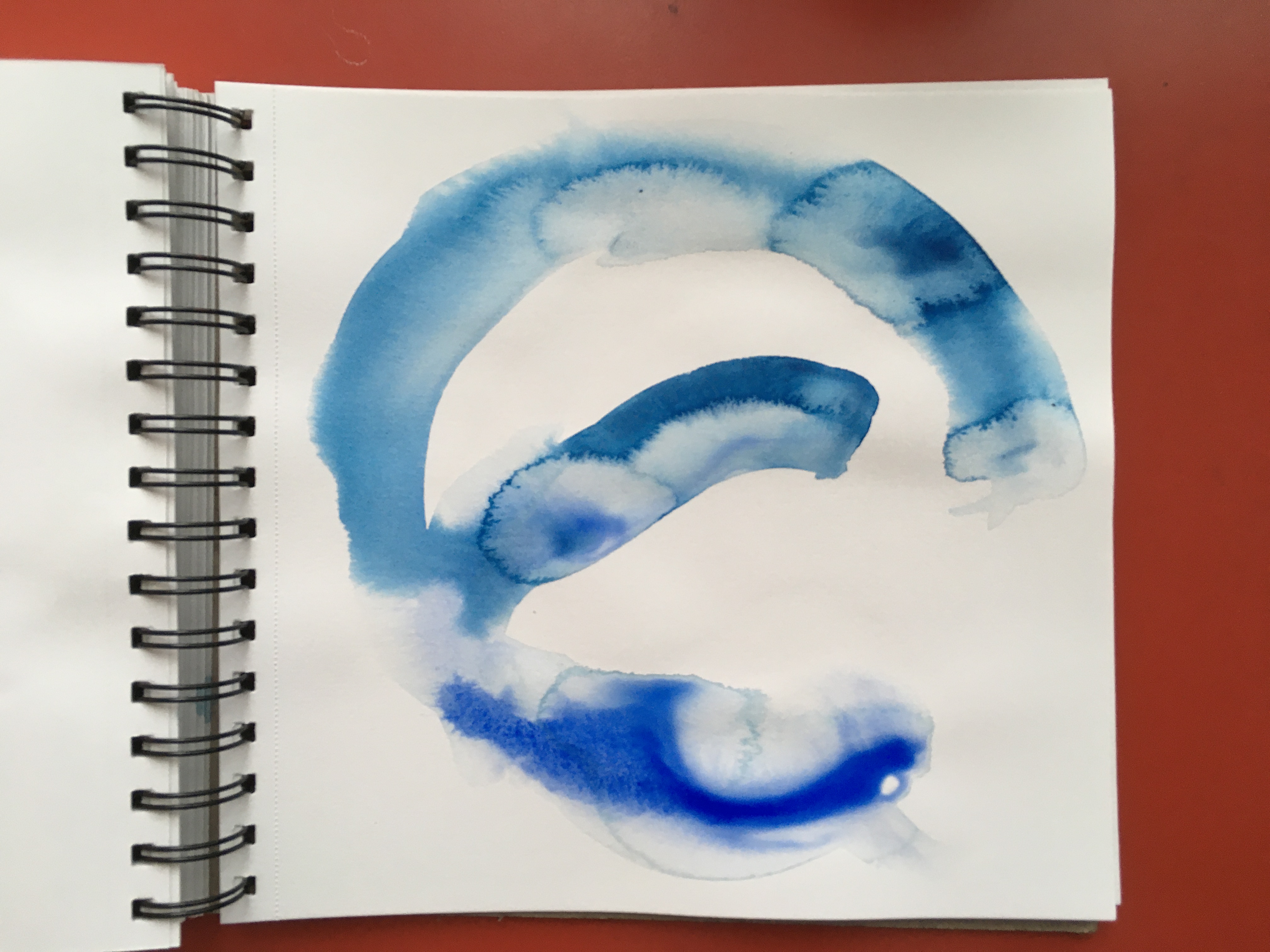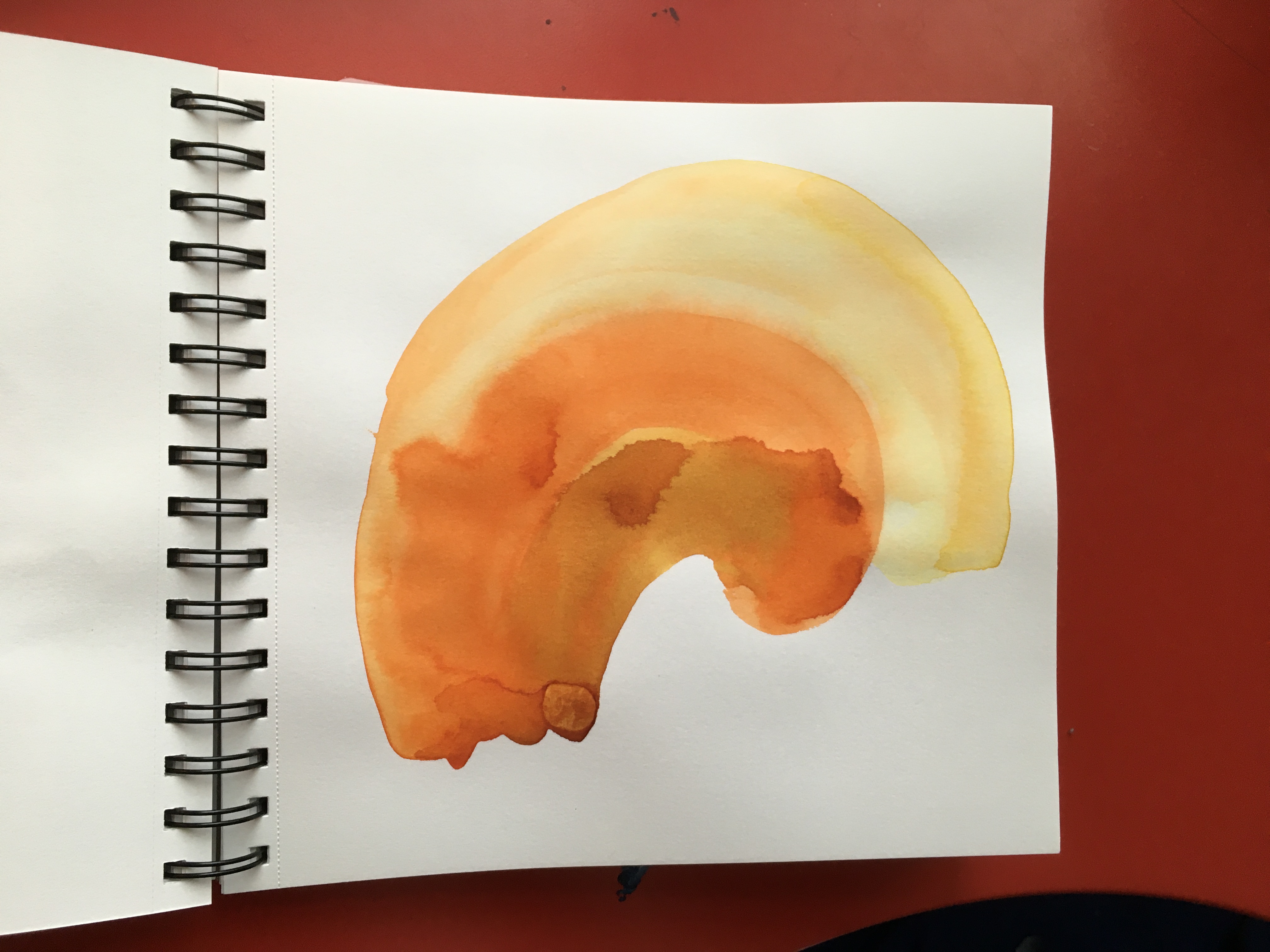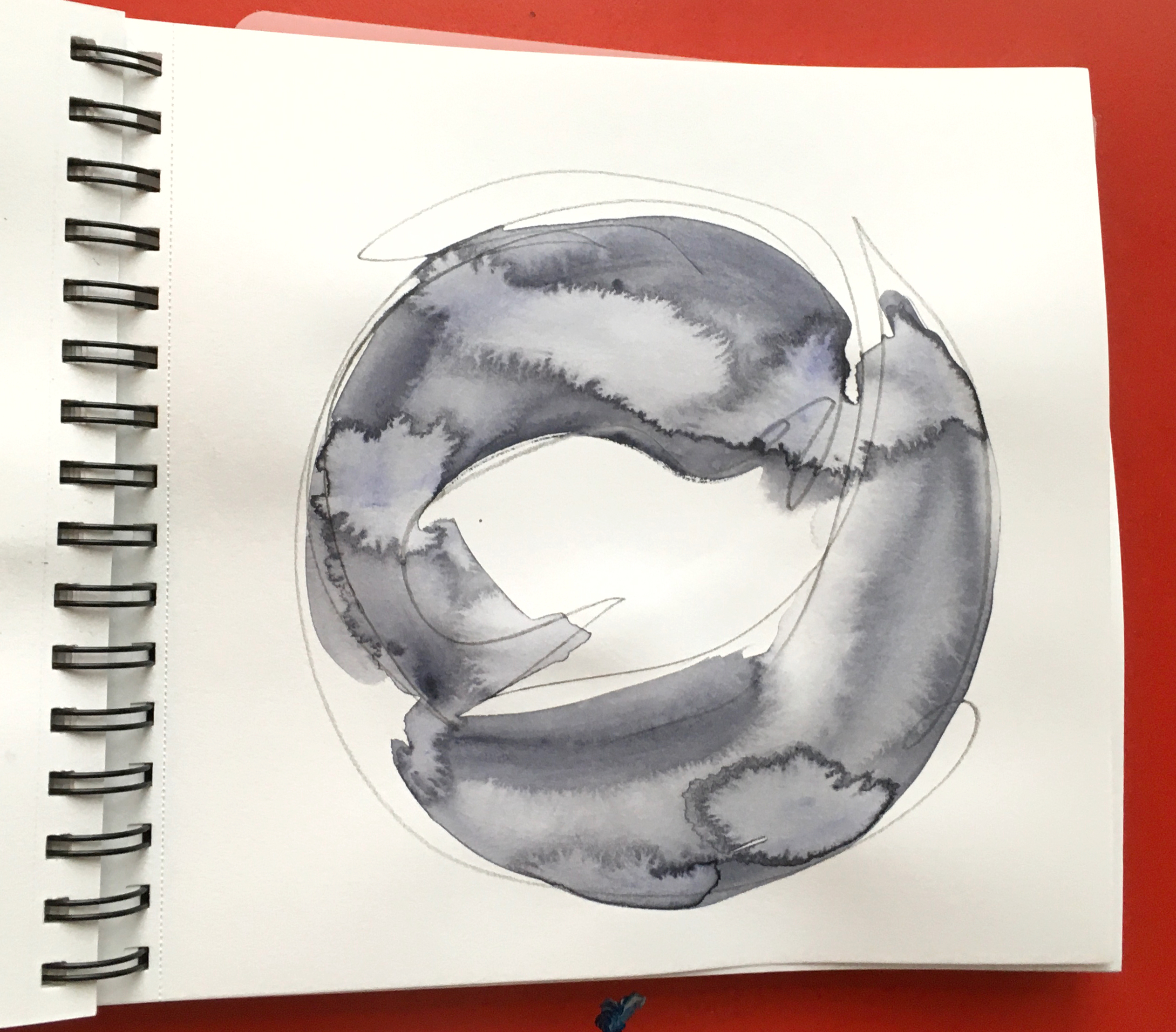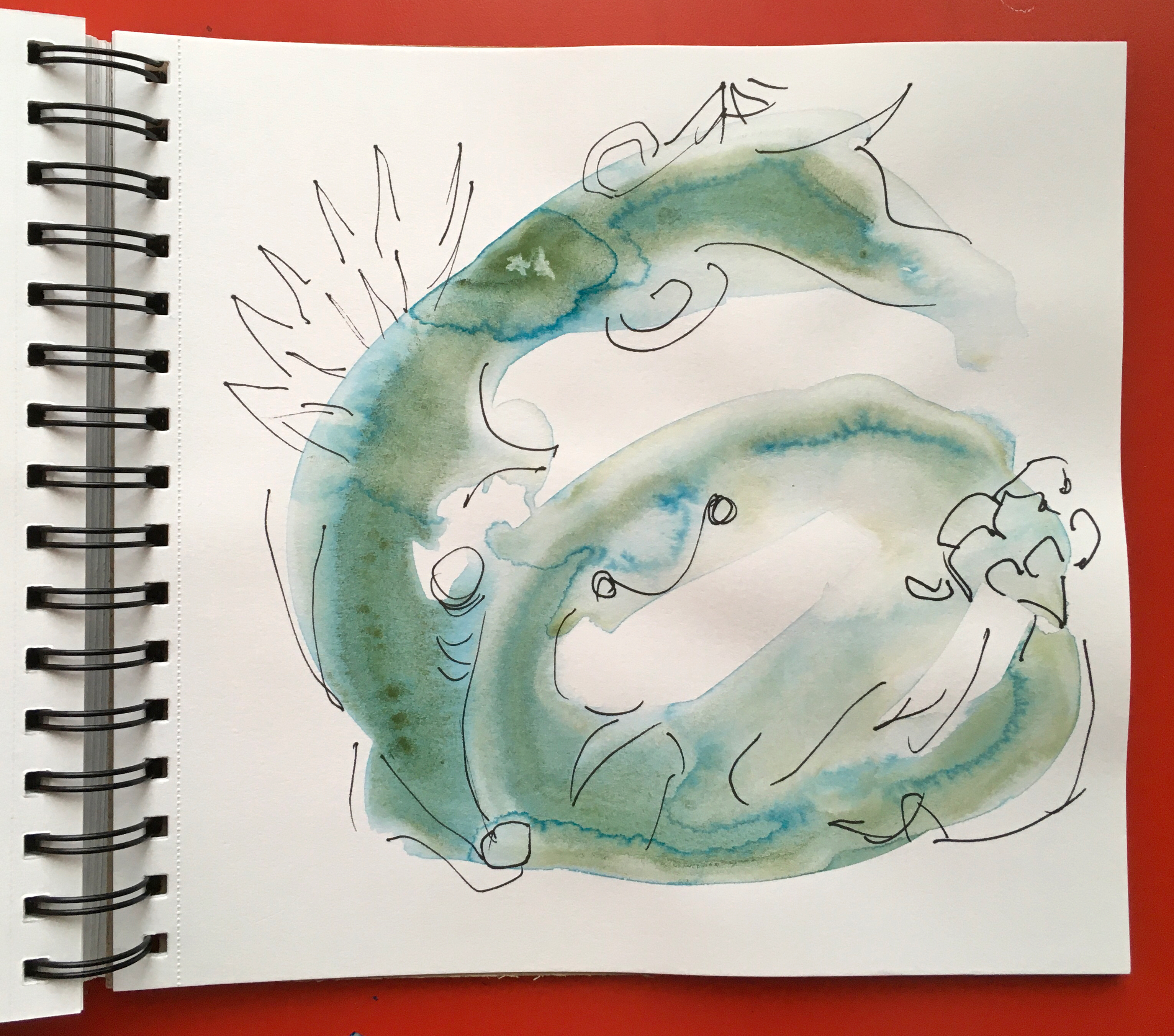
A cinematic day

The day began with breakfast for two at the famous dumpling place on Spadina, and the fortune in my cookie said something stern about <<mettre de l’eau dans son vin>> and as we pushed through the doors and out into the street we debated the meaning of this, the translation, but also the intention of the saying, was it about making concessions, adjustments, or was it about making do with less?

Wandering through Kensington Market, my friend started telling me about a new practice she’s exploring called “Access Consciousness” and how she’s been given a series of questions to ask herself throughout the day – questions like “who does this belong to?” which you ask slowly, repeatedly about emotions, reactions that come up, but then also the question “how does it get any better than this?” which you ask yourself again and again and again, relaxing into all of the truth of the moment and wondering if it possibly could…
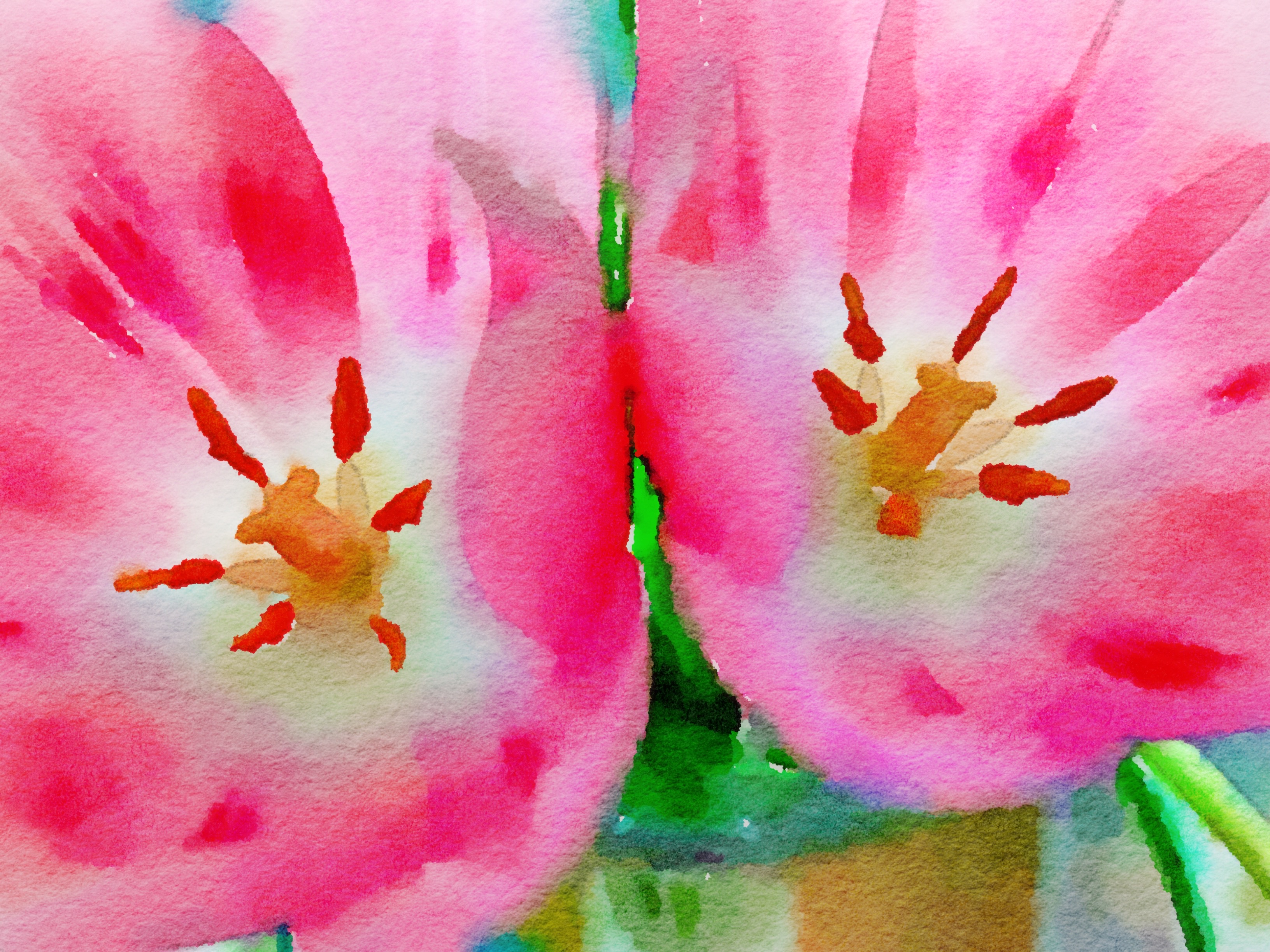
HOW does it get any better than this?

How does it get ANY BETTER than this?

How does it get any better than THIS?

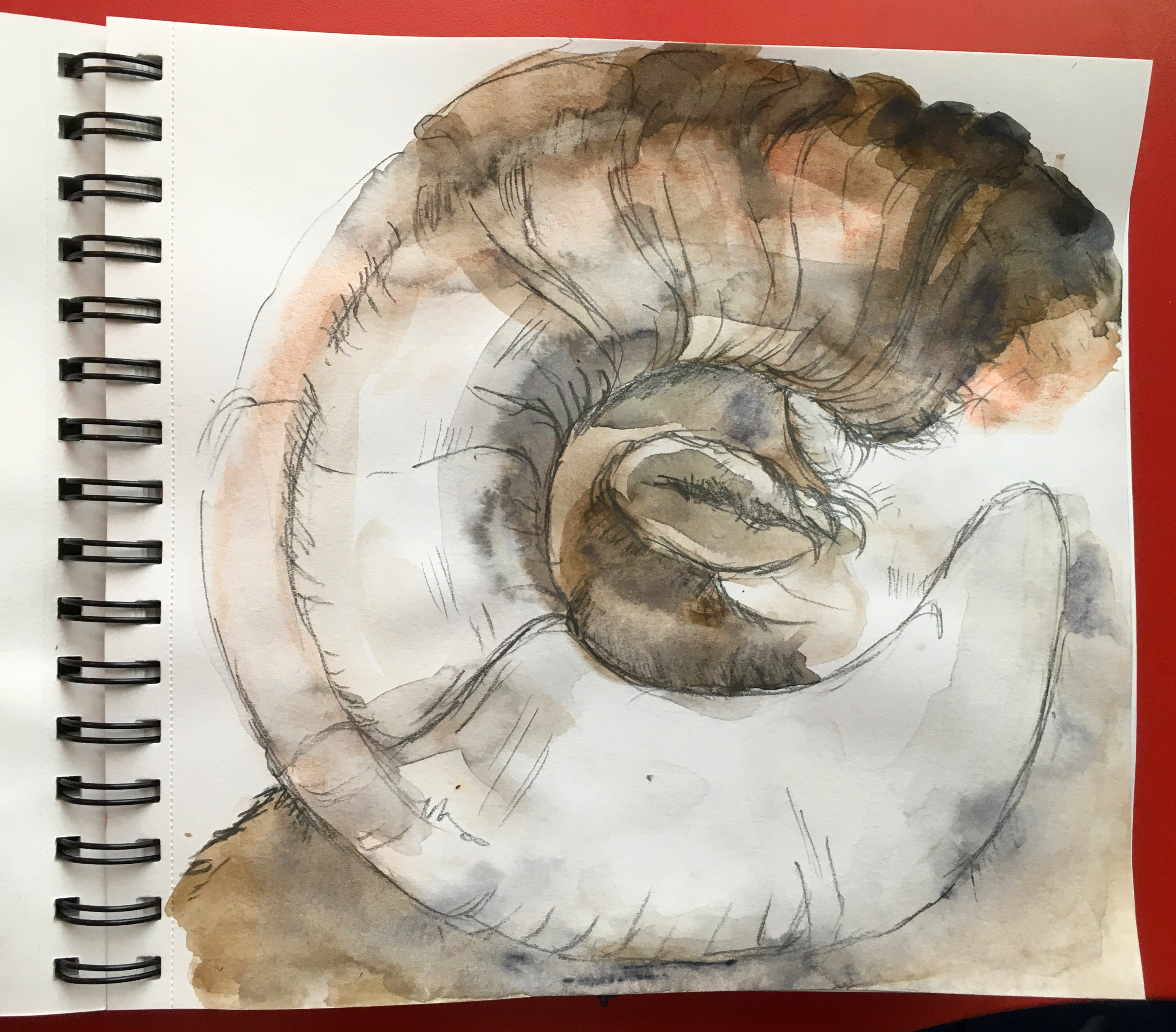
This wonderful, meditative question reminded me of the way I feel when working on the 100 Day Challenge I’ve been doing for a couple of months now – it’s purposely not too ambitious, only about the joy of the thing, focused on the simple pleasures of paper, maybe pencil, maybe some watercolours, but who knows, maybe some charcoal depending on the day, depending on the creature, the image.

Seated Hare – charcoal, white charcoal, and watercolour on paper

This week, I am writing about noticing. About paying attention. About exploring what the Universe is telling us. This journey can be both arduous and joyful. It is certainly worthwhile.

Begin here

Paying attention is key to any artistic or life pursuit. It’s how we use all our senses. When we pay attention, we see patterns we otherwise would miss. We hear the chimes of the Universe, taste more intensely, let smell spark memory.

Touch

The most elemental of the senses for artists, even more than sight or hearing, is touch. It is how we relate to our materials. We touch the keyboard, the pens, the yarn, the paint, the fabric, the fragile silk of an emerging flower. Touch the sensitive place behind the ear, the pulse point of understanding.

~ Fran Gardner for The 100 Day Project

* * *

Many blocks further up into Little Italy on such a beautiful sunny day and we sat in the park for what seemed like days, catching up on so many things, but here and there remembering that beautiful question, until it was time to pee so we headed out through a little pathway that had been beaten out amongst some trees and oooo’d and aaaa’d over the little fields of bluebells giving a colourful shape to the path.
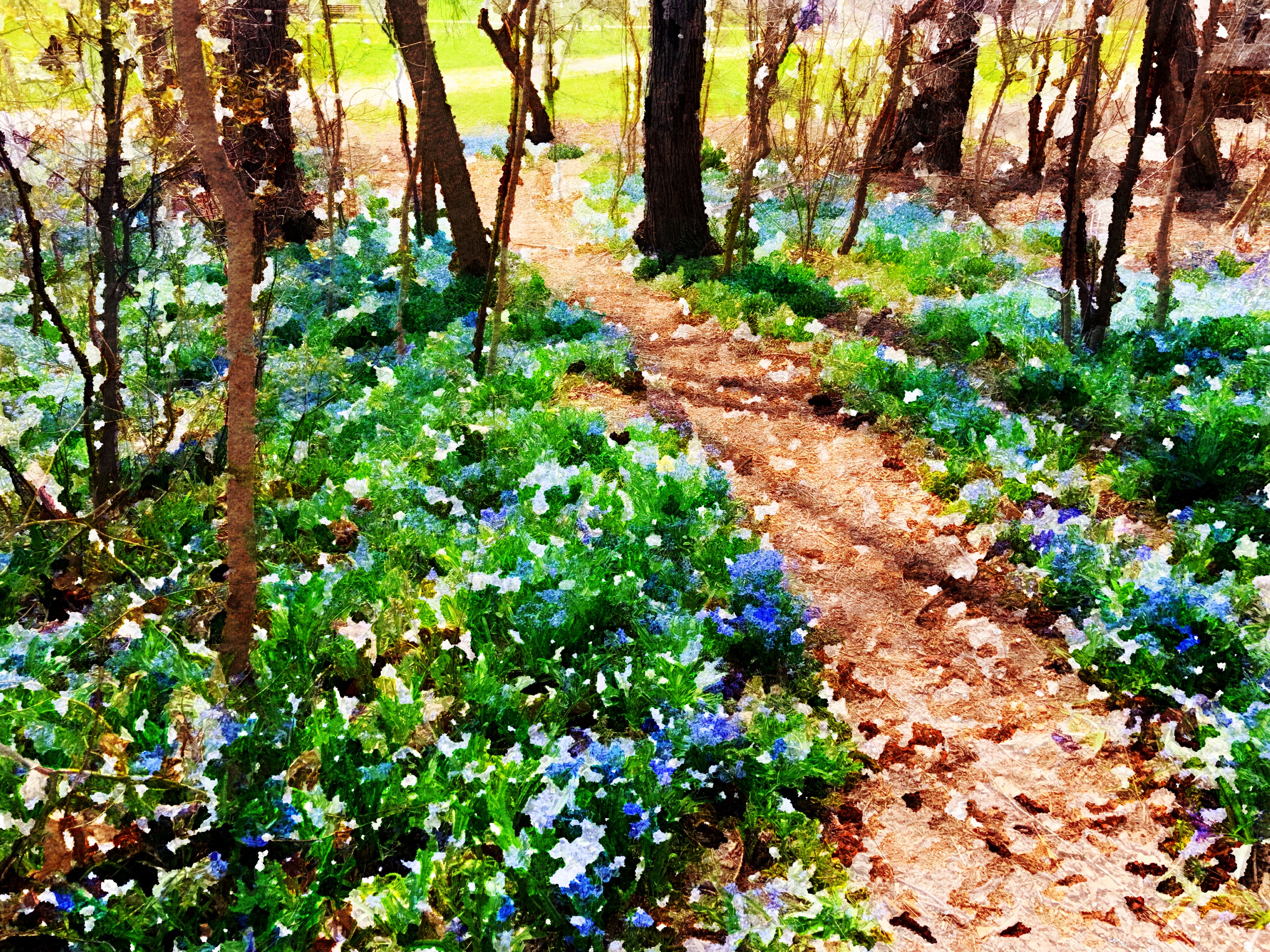
How does it get any better?

Up at my friend’s beloved familiar home, we ended up on the back porch as is always the case on a gorgeous spring day, and it was still too cool for the cherry blossoms to have started on the huge cherry tree that dominates the back yard, but I noticed all the textures in little corners of collected objects, of aging wood against cut glass and burnished metal and porous ceramics.

Oh how I miss these kinds of textures that we had everywhere back in the days when we lived in a funny little house with a splendid back yard and a pond and an orange cat and a crumbling wooden fence and moss covered bricks.

After a trundle down Parliament in a busy crowded bus it was getting dark by the time I got to my brand spanking new neighbourhood of concrete and steel and glass, with no gardens, no aging wood or porous ceramics, but lo and behold, there are still moments of magic when the fog from the lake creeps up at dusk and the skies simply couldn’t get any better…

Lens Artists Challenge – Cinematic

All photos apped out with an early version of the Waterlogue app
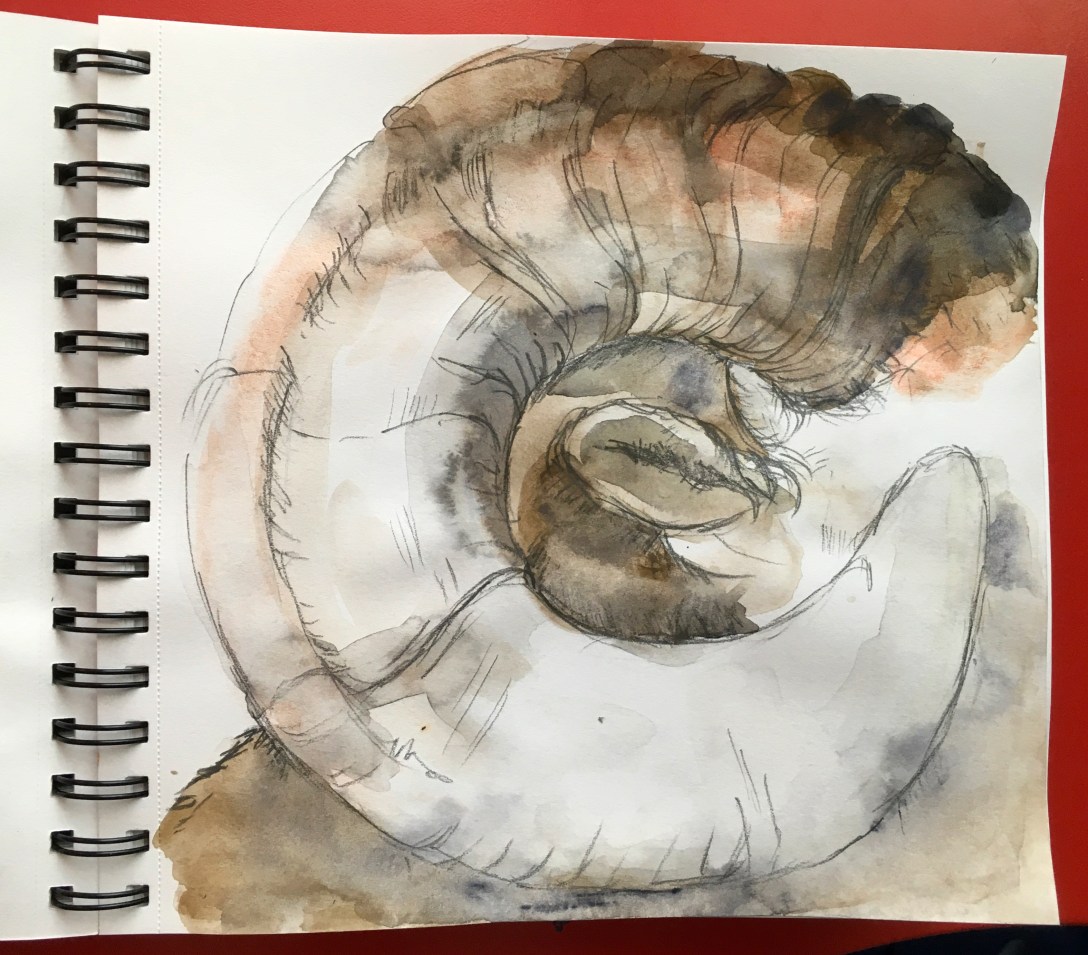
Bold & reckless

I’d signed up for a Sketchbook Challenge – something to carry me through the holidays, when I had a feeling things might be a bit challenging, a bit daunting – there was the personal level of things shaping up to be tough, but of course there had also been that election in the States, and as much as we would all like to pretend it’s just politics, in another country, not here… Yah. Whatever. It’s been a lot.

Anyways, a little creative challenge that would engage me on a daily rhythm but had no ambitious trappings to it felt just right.

At the beginning of course you are instructed to Find Your Why. And the main Why I found was an intention to push to be bold and reckless and experimental, to be messy and try things. To try things and fail at them. After all, it’s just a sketchbook.

So I went with that, and for days and days I did free and loose and messy and anything goes…

Bit by bit, the looser things got, the more I longed for structure, and I found myself drawing some objects, specific things over and over again –

How much the same thing can be so different every time…

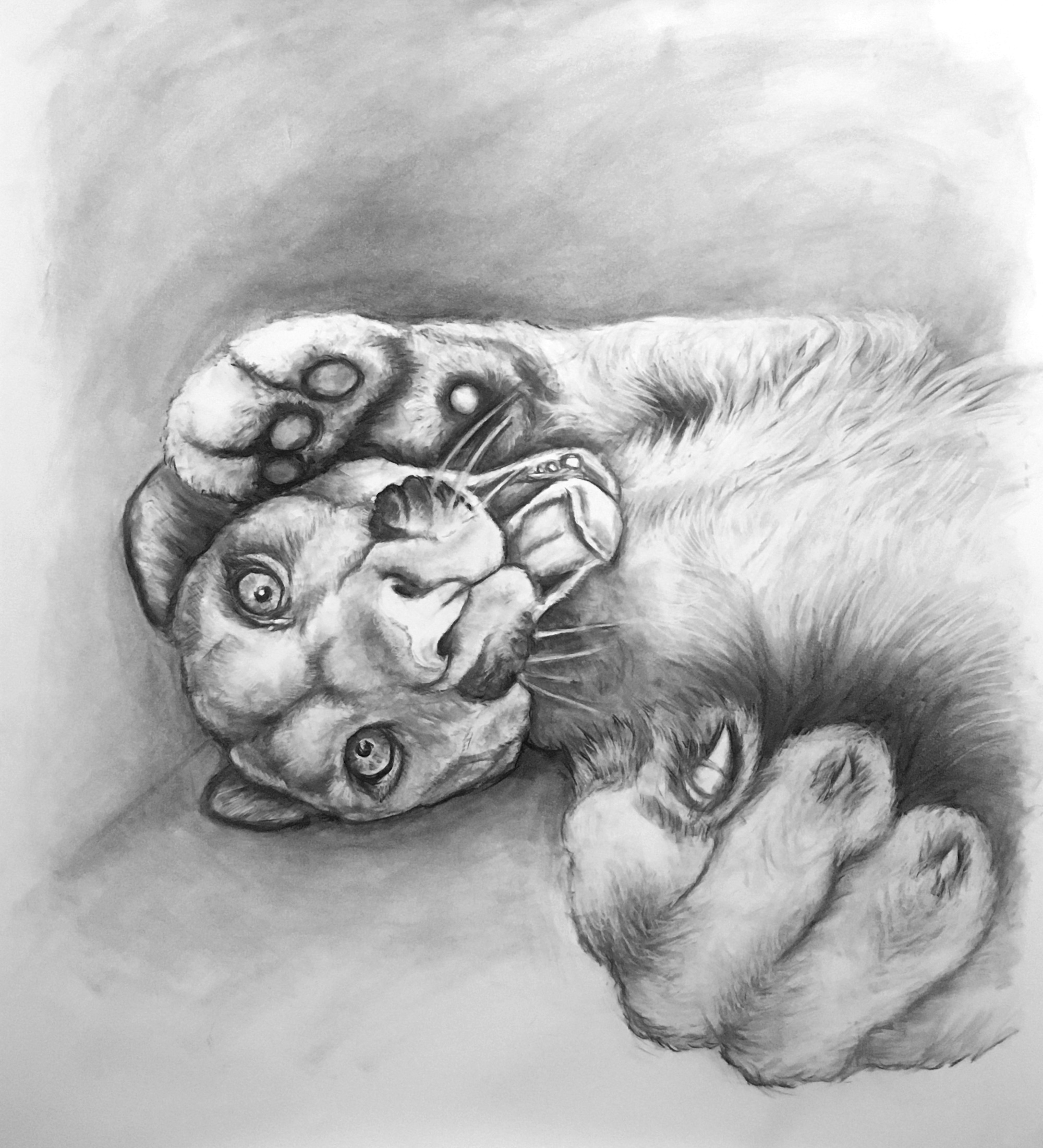
Somewhere along the way, without really thinking about it, I felt like I needed to be doing something bigger – big drawings. Just being in the groove, rolling with the constant practice, it felt like putting a bit sheet of paper on the wall and drawing with charcoal would satisfy some kind of longing, so I did it.

The paper is somewhere around 4 ft x 4 ft.

Looking back now I kind of love that early phase where it’s not quite clear what is where and what’s going on, but I kept on going.

And ended up with this.

But maybe especially as it was an evolution from the daily scribbly sketchbook drawings, it feels like this is maybe just the first one of many…

Lens Artists Challenge – Bold

On the bus

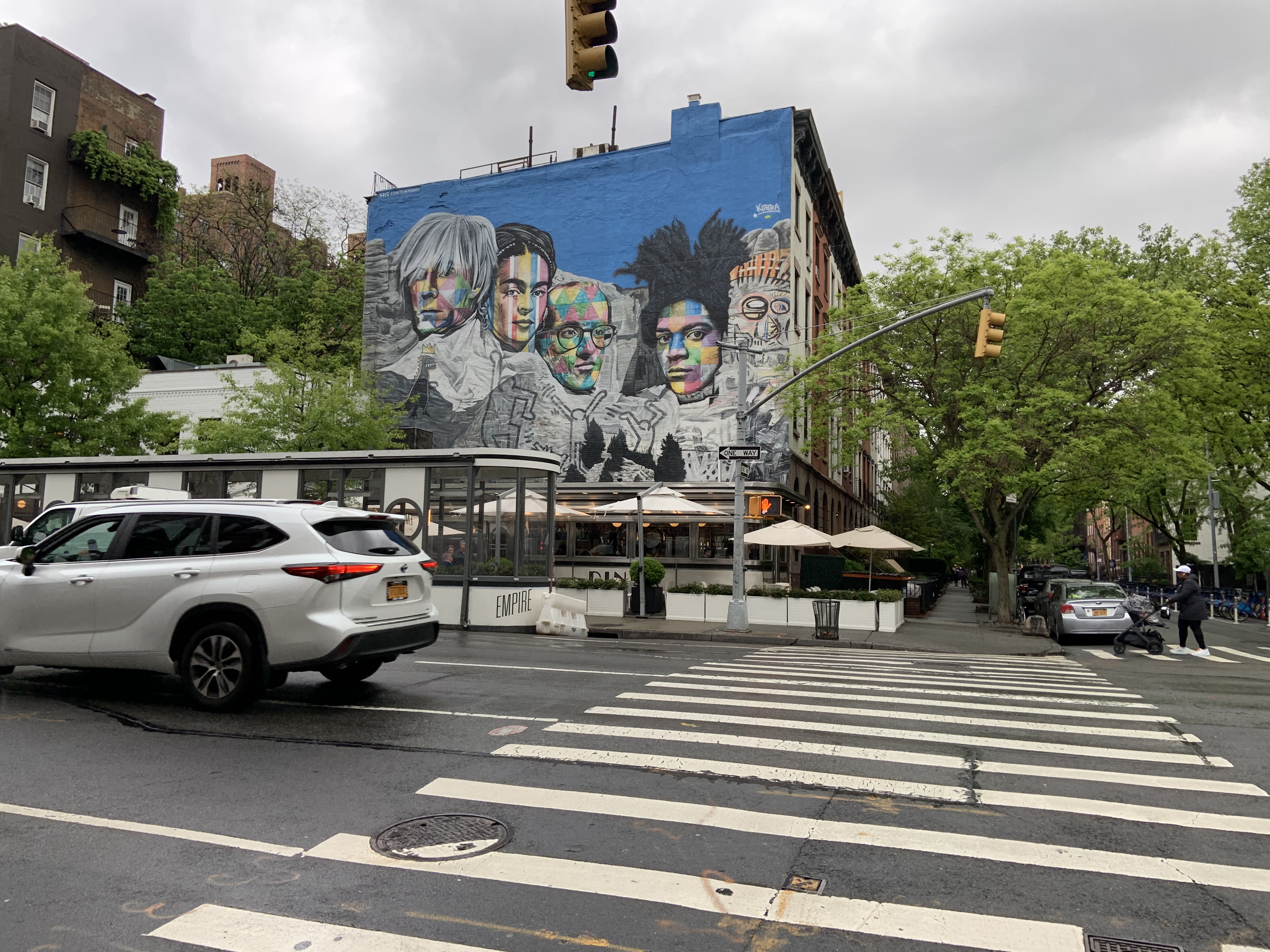
Some weeks ago I went to New York City with my son.

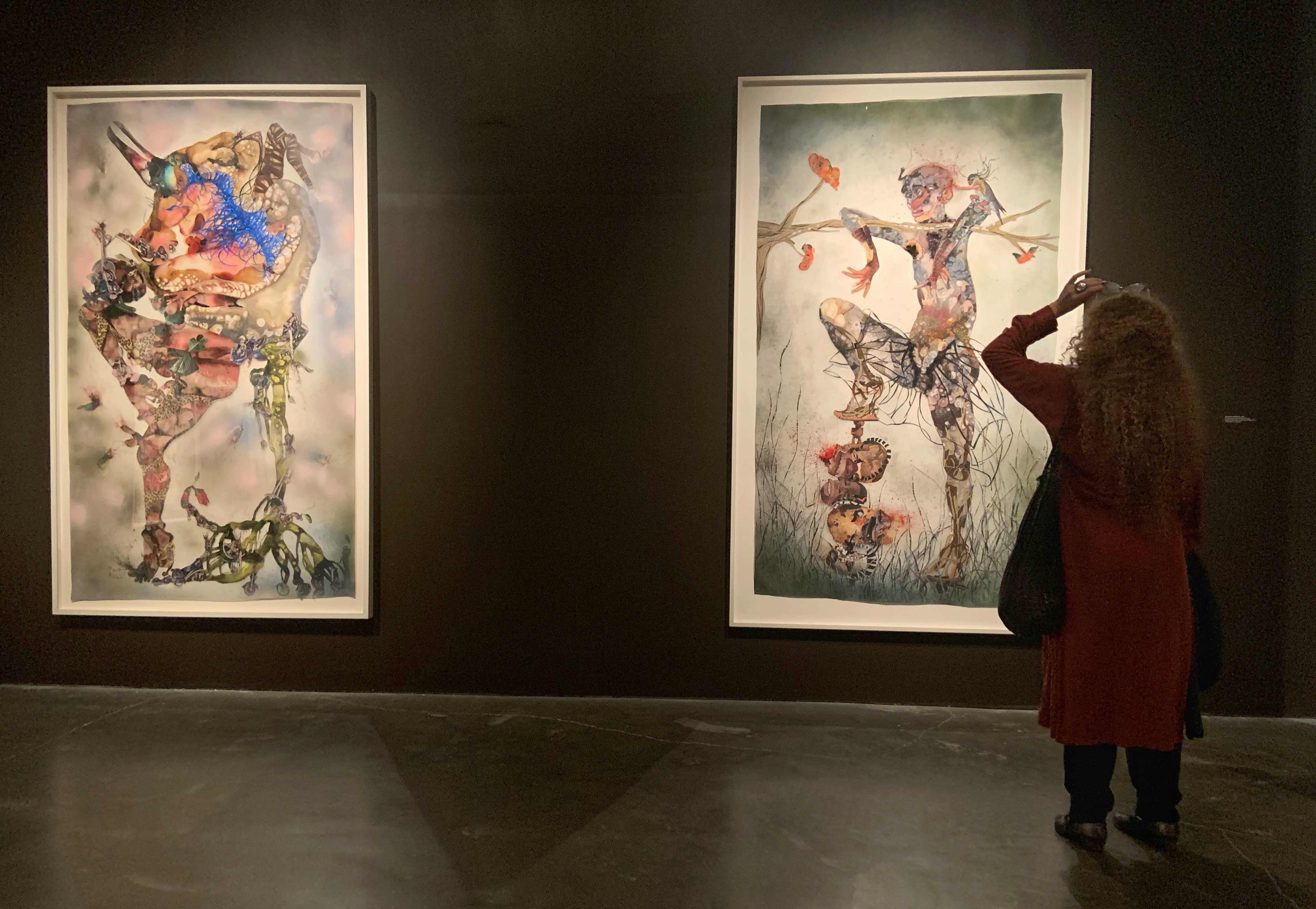
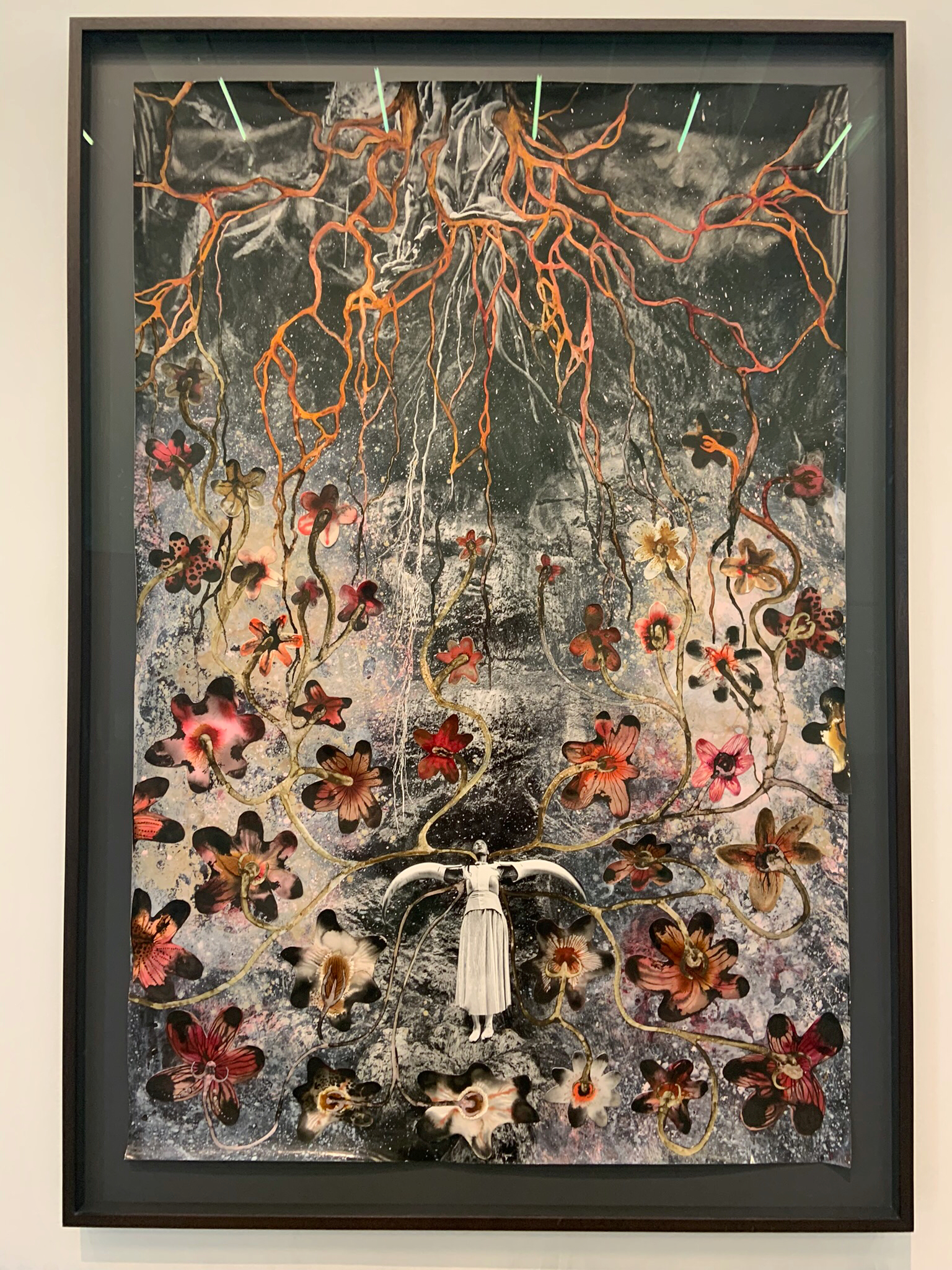
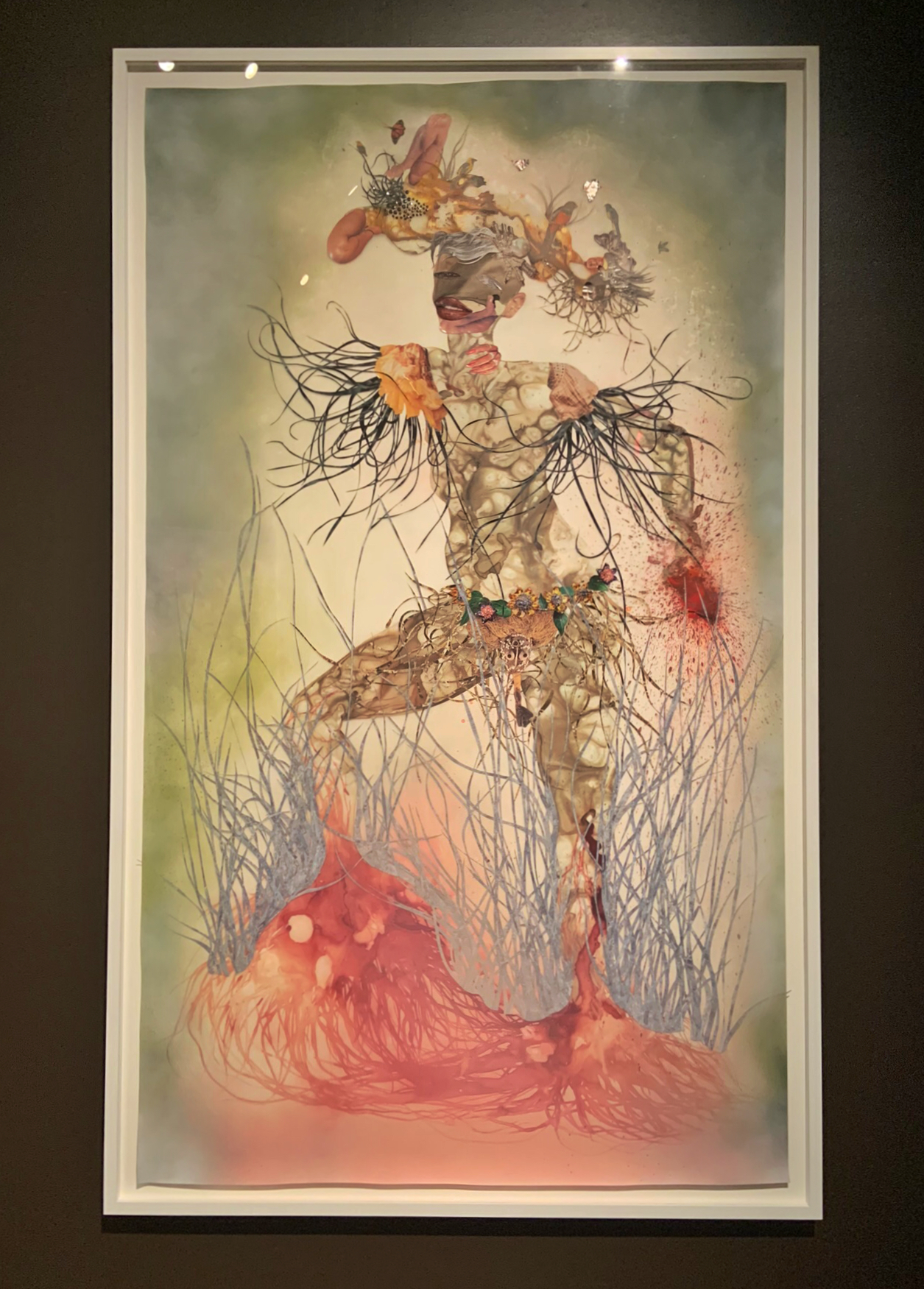
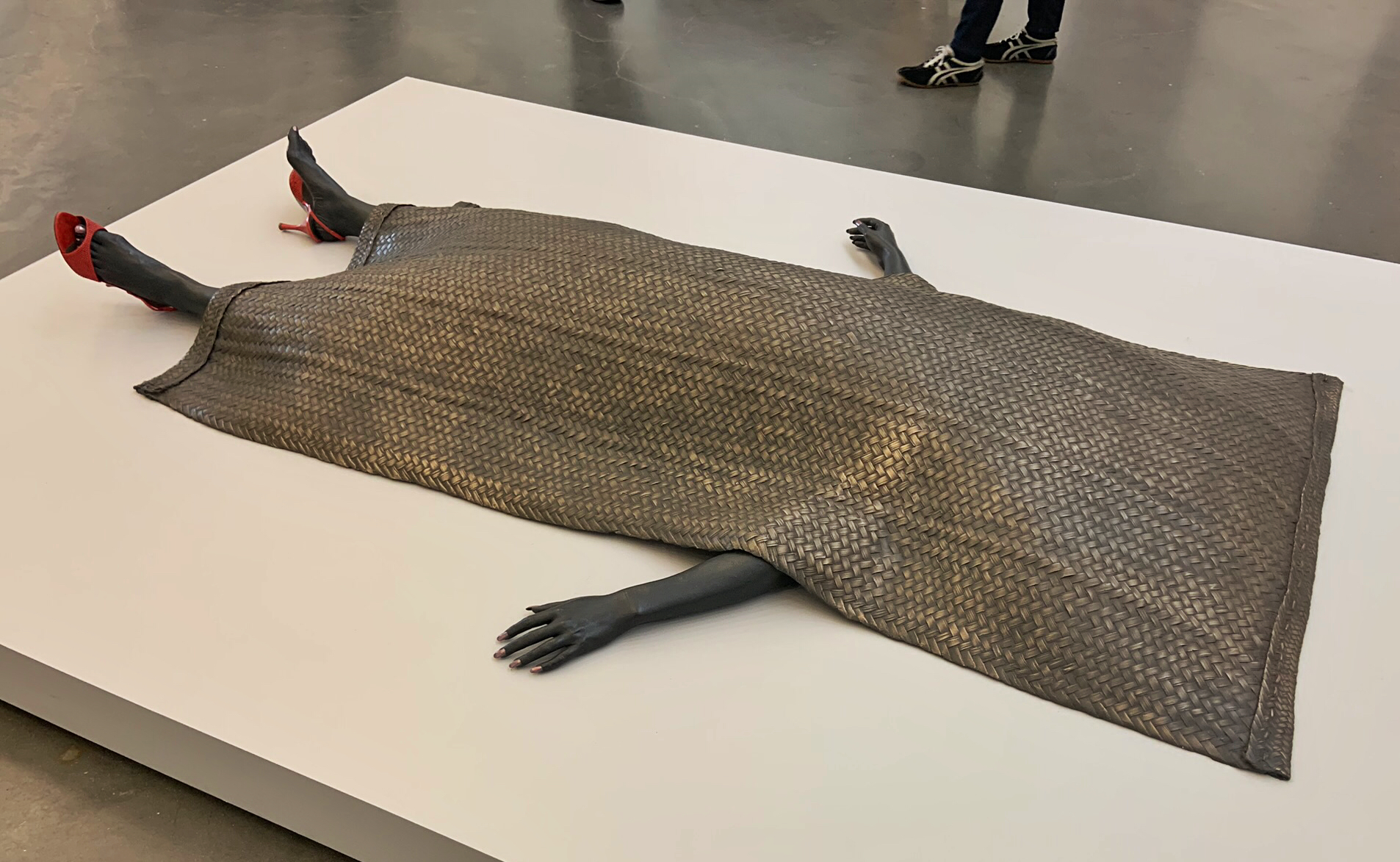
We landed early on the Wednesday, dropped our things at the hotel, and then made straight for the museum around the corner that was having a show of Wangechi Mutu’s work – a woman whose collages I’d long admired online.

But OMG, the show was so much more than what I knew, and so much more than I expected… the early collages, but later paint-collages, sculptures and short films and installations – several floors of a lush, dynamite, gorgeous and frequently creepy body of work – a highly coherent and full retrospective of an artist in mid-career.

On the Thursday we had a lunch date with V, who I had never met in person, but knew from some online art classes and group critiques, from 2 years of regular zoom meetings hosted by our mutual teacher, Lisa Call.

And at some point there over lunch with V, talking about art and bodies of work, both she and I tried to explain the Helsinki bus theory to my son – a theory Lisa introduced to us early on in her classes, as a way to focus on one’s own path for long enough to get to a point of deep creative exploration and originality. We stumbled through our explanations, looking for how to say that if you stay on your one single bus long enough instead of trying each and every new thing, it will start to evolve into something that is original.

And once you start to see that difference in your work from the work you so admire—that’s why you chose that platform after all—it’s time to look for your breakthrough. Suddenly your work starts to get noticed. Now you are working more on your own, making more of the difference between your work and what influenced it. Your vision takes off.”

Arno Rafael Minkkinen

Lisa had us consider this way of thinking early on in our work with her, along with a process of what she called “closing doors” – closing the doors to all the things you are NOT going to do, so that you can focus on what you ARE going to do. And in a way, the narrower, the better – challenging, but also a clearing of the dross.

So looking at the work of Wangechi Mutu, it was so clear she had stayed on her bus – but the interesting thing was, that her materials were able to change quite radically through the years, and it was her thematics that stayed true and focused like a north star throughout.